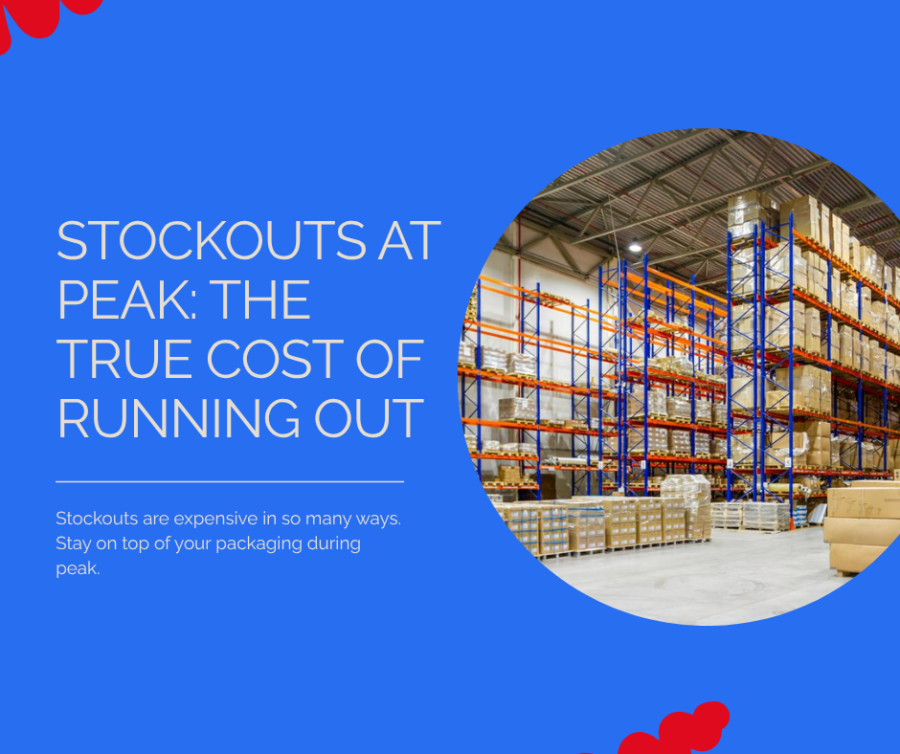
Stockouts at peak: the true cost of running out
6
min read14 August 2026








A stockout doesn’t just cost you the sale. It sends a first-time customer, one you paid to win, straight to a competitor who had the item in stock. This is true at any time of the year, but is particularly painful in peak.
This guide is for e-commerce and operations managers planning packaging and fulfilment for peak. It puts a real cost on running out of important packaging materials, and shows why availability is a retention decision, not only a supply one.
In this article, we’ll cover:
A stockout at peak costs the immediate sale, the margin on it and often the customer who tried to place it. At peak, when demand is highest and hardest won, that is the single worst moment to run out.
And a stockout applies to more than just the products you’re selling. While, of course, you need to have enough product, you also need to have enough packaging. If you don’t, you’re sat on stock you physically won’t be able to do anything with.
Most peak traffic is paid for, through ads, promotions and discounting. If you’re selling products you have available, that’s great. But, getting caught short can cost you in cancelled orders and reputation, as well as the money you already spent to create a sale you then couldn’t fulfil.
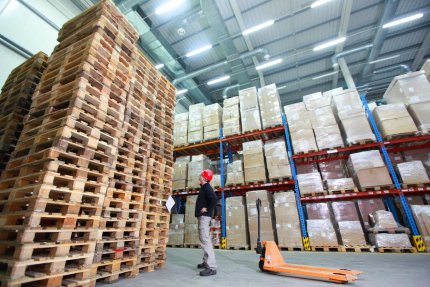
A first-time buyer who finds you out of stock has no loyalty to wait. They buy elsewhere, and the competitor, not you, earns the repeat business that makes peak worthwhile.
A widely cited rule of thumb holds that keeping an existing customer costs far less than winning a new one, often quoted as roughly five times less. Treat it as directional, but the direction is clear.
Seen that way, a stockout wastes twice. It burns the customer acquisition cost you just paid, and it denies you the customer retention you never got the chance to earn. The last thing you want is to have products sitting in your warehouse ready to go, but none of the packaging needed to get them out the door.
Protect availability by planning stock and packaging together, holding a buffer on your bestsellers and keeping next-day supply within reach when demand runs ahead of the plan.
Packaging is the half that gets forgotten. Running out of the right cardboard boxes, void fill or packing tape stops despatch just as abruptly as running out of product does.
Reserve consumables early, while next-day availability is easy. Use our packaging cost calculator to sense-check what your increased peak volume will need, because availability is a decision you make now.
Running out isn’t the only way to lose a peak customer. A parcel that arrives late or damaged does the same job, turning a hard-won sale into a refund and a poor first impression.
A broken first order is as final as an empty shelf, which is why protecting the parcel matters as much as protecting stock. Our guide to reduce damage in transit covers how to stop damage undoing the sale.
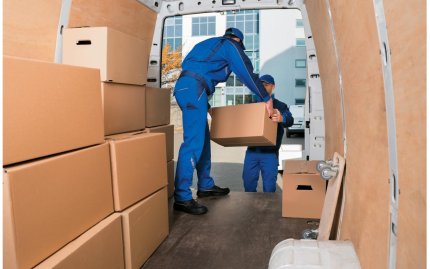
A stockout is a retention problem priced at the customer’s lifetime value, not a one-off missed sale. At peak, when every customer is dearly bought, that price is at its highest.
Planning availability is one part of getting ready for e-commerce peak season, and it starts with the numbers you already have from last year.
Keep your bestsellers moving through peak. Talk to a packaging expert about next-day stock so packaging never becomes the problem. Talk to a packaging expert.
A stockout is when an item a customer wants to buy is unavailable to order or despatch. This also includes running out of the packaging needed to ship what you have sold.
More than the single missed sale. Once you add the wasted acquisition spend and the lost repeat business from a customer who buys elsewhere, the true cost is often many times the order value.
Because demand and acquisition costs are both at their highest, each missed sale wastes more spend and each lost customer is more expensive to have won.
Yes. A first-time customer who finds you out of stock rarely waits, and the competitor who fulfilled the order tends to keep the repeat business that follows.
Plan from last year’s numbers, hold a buffer on bestsellers and reserve packaging early. Watching availability daily through peak lets you act before a line runs out.
Effectively yes. If you can’t box, protect and seal an order you can’t despatch it, so a packaging shortage stops sales even when the product is on the shelf.