










3 references
Void Fill
Void fill packaging - Cushion products with loose fill packaging
Ensure the safety of your products until they reach their destination with our reliable void fill packaging. Designed to cushion and protect, it suits awkward and irregularly shaped items that pre-cut materials can’t reach.
Void fill packaging refers to materials used to provide padding and support for products inside cardboard boxes. It includes paper void fill, loose fill and centrefeed rolls & dispensers. The purpose is to fill the empty spaces between your product and the box walls. That minimises movement during transit and safeguards your items against bumps and knocks.
Our range covers
We stock multiple types of void filler packaging, each suited to a different product shape and presentation. Loose fill flows into gaps, paper void fill pads and wraps.
- Packing peanuts – loose fill chips that fit into crevices and support products where it’s needed, such as biodegradable packing peanuts. These are also compostable and safely dissolve in water, making them a perfect example of eco friendly void fill packaging.
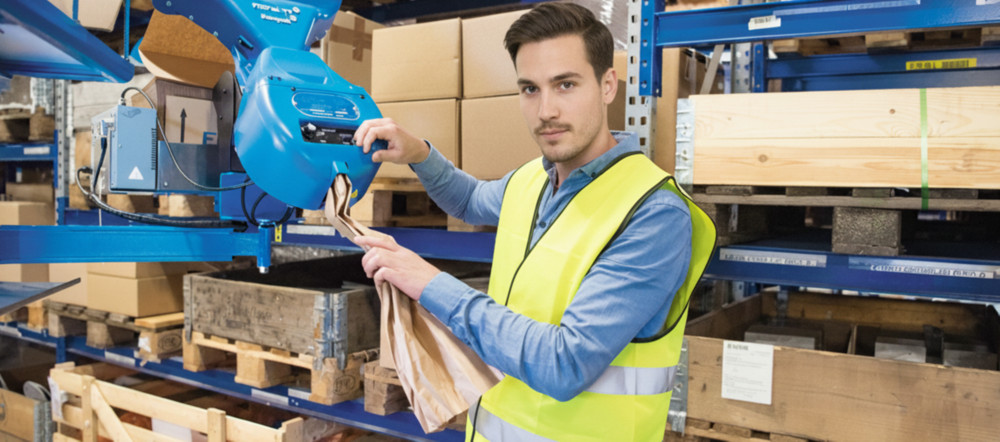
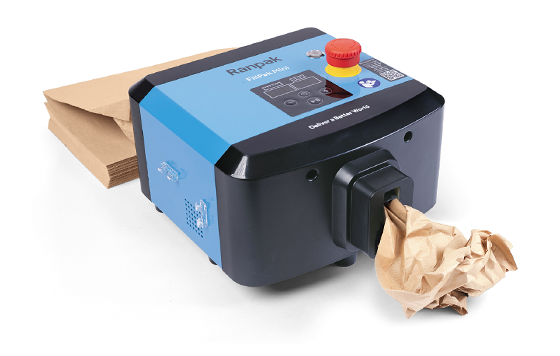
- Paper void fill – centrefeed rolls and dispensers, Kraft paper void fill torn to length and scrunched to pad out the carton.
- Shredded paper packaging – ideal for both protective and presentation purposes such as for gifting and hampers. For more ways to make your packaging more appealing and still give your products extra protection, check out our shredded paper
- Wood wool – natural wood fibre that cushions bottles, jars and delicate goods with a rustic finish.
- Foam peanuts – loose fill for general-purpose void filling where cost per litre of space matters.
Key features and benefits
Void fill earns its place because it stops movement, and movement during handling and transit is what causes damage and breakage. These are the benefits despatch, and procurement teams get most from.
- Stop contents shifting – filling the space between product and box wall removes the movement that causes bumps and knocks.
- Protect awkward shapes – loose fill chips flow into crevices and support irregular items where pre-cut materials can’t reach.
- Layer it with cushioning – using loose fill alongside bubble wrap or foam packaging adds an extra layer of protection for delicate items.
- Protect furniture and flat-pack – pair loose void fill with side and corner protectors for items like tables and chairs.
- Choose eco friendly void fill packaging – our packing peanuts are made from renewable plant-based materials and are 100% biodegradable and compostable. They compost without releasing toxic chemicals.
- Protect sensitive electronics – our packing peanuts are odour-free and five times more anti-static than traditional polystyrene chips.
- Present retail orders well – decorative void fill suits gifts and hampers, giving parcels an attractive finish while protecting the contents.
Choosing the right void fill
The right void filler depends on the shape of the product, how much space you need to fill and how the parcel should look when it’s opened. When selecting void fill packaging for your operation, consider:
- Product shape – loose fill and paper shred flow around irregular items, filling gaps on all sides. For regular-shaped items, packaging foam blocks are better suited, bracing flat faces and corners securely.
- Volume of empty space – large voids fill faster and at lower cost with dispensed paper than with loose fill.
- Static sensitivity – electronics need a low-static fill. Our 100% plant-based packing peanuts are five times more anti-static than polystyrene chips.
- Recyclability – paper void fill offers within the range are kerbside recyclable. Products such as our packing peanuts are biodegradable and compostable, safely dissolving in water unlike polystyrene alternatives.
- Dispensing – a paper void fill machine or centrefeed dispenser pays back quickly at volume, while bagged loose fill suits lower throughput.
Examples include:
- Packing peanuts and loose fill suit awkward, multi-item orders where contents need to lock together.
- Paper void fill suits brands that need plastic-free presentation and kerbside recycling.
- Wood wool suits bottles, ceramics and premium food gifting.
FAQs
What is void fill packaging?
Void fill packaging is any material used to fill the empty space between a product and the walls of its box. It stops contents moving in transit, which is what causes most bumps, knocks and breakages.
Are packing peanuts recyclable?
Our packing peanuts are plant-based and are both biodegradable and compostable, so they break down without releasing toxic chemicals. Polystyrene foam peanuts aren’t kerbside recyclable and need a specialist collection.
What is the difference between void fill and cushioning?
Void fill fills the empty space so the product can’t move inside the box. Cushioning sits against the product and absorbs shock at the surface. Most fragile orders need both.
How much void fill do I need?
Fill every empty space so the contents don’t shift when the box is turned over or shaken. As a rule, no product should touch a box wall, and no gap should be wider than a couple of centimetres.
Where can I buy void fill in the UK?
You can buy void fill online from RAJA UK, shop our full range including packing peanuts and paper void fill. Whether you need large bulk orders or smaller quantities, we are here to make sure you have everything you need to ensure your orders stay protected.
Reliable void fill packaging for every order, from RAJA UK
Protect fragile, awkward and high-value goods in transit with RAJA UK's void fill packaging. From plant-based packing peanuts, loose fill to paper void fill, we stock the right fill for every parcel. Contact us today for expert advice or to discuss bulk order options.
- Protective Packaging
- Colour
-
Material
-
Length m
-
Recycled %
-
Recyclable
-
Brand


1 reference


1 reference


6 references


2 references


2 references


1 reference


1 reference

2 references

1 reference