




Envelopes & Mailing Bags
85 products
Mailing Bags
(17 products )
Envelopes
(4 products )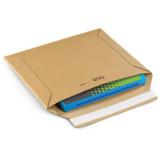
Cardboard Envelopes
(7 products )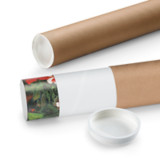
Postal Tubes
(6 products )
Eco-responsible Mailing Bags
(15 products )
Eco-responsible Envelopes
(23 products )Ship your products safely and securely with high quality envelopes and postal mailing bags
Mailing bags, parcel bags, postage bags, poly mailers, and shipping bags for business despatch: polythene (38–60 micron), paper kraft, padded jiffy, compostable, and cardboard mailer formats in a complete range for Royal Mail, courier, and e-commerce fulfilment. The right format depends on what you are shipping, the transit conditions it faces, and what happens to the packaging after delivery. Polythene mailing bags are waterproof and the lowest cost per unit for clothing and soft goods. Paper and kraft mailing bags are kerbside recyclable with standard cardboard streams and suit the same applications where polythene's end-of-life matters to the recipient or the brand. Padded jiffy bags with 90gsm kraft outer and recycled paper fibre lining protect fragile items in transit. Cardboard mailers at 500–550gsm provide rigid flat protection for documents and photographs. Next-day UK delivery. Trusted by thousands of UK businesses over more than 70 years. ISO 9001:2015 and ISO 14001:2015 certified. Gold EcoVadis sustainability rating.
How to choose the right mailing bag format
Most mailing bag failures in transit come down to three things: overfilling (the seal is under tension and fails under courier load), the wrong micron or grade for the contents weight, and incorrect sizing where the opening is too narrow for the folded item. Getting the format and size right removes most despatch failures before they happen.
Polythene mailing bags: standard for clothing and soft goods despatch
Grey polythene mailing bags and poly mailers at 45–60 micron are the industry standard for garment and soft goods fulfilment in the UK. Tear-proof at this thickness, fully waterproof, tamper-evident on opening, and the lowest cost per unit at volume. Available from 216×356mm for single items to 711×589mm for bulky orders. Clear polythene mailing bags at 38 micron suit lighter loads and mailshots where contents visibility is useful, but are not the right grade for heavy garments or multi-item orders. The critical sizing point: check the opening width, not just the bag height. The most common garment despatch seal failure comes from forcing a folded item through a too-narrow opening, which puts the side seam under lateral tension. See polythene mailing bags for the full range including grey, clear, white, and coloured formats.
Paper and kraft mailing bags: plastic-free with kerbside recyclability
Paper and kraft mailing bags are the functional equivalent of polythene for clothing and soft goods despatch, with one material difference that changes the end-of-life story: they go into the recipient's kerbside paper and cardboard bin with nothing to remove. Single-ply kraft handles standard garment loads; heavy-duty 2-ply is right for heavier items where single-ply would be at risk of seam tear. Moisture-resistant, not waterproof. For full specifications including ply grades, FSC and PEFC certification options, and returnable formats, see paper and eco mailing bags. For guidance on on-pack recycling labelling, see OPRL (On-Pack Recycling Label).
Padded jiffy bags and bubble envelopes: for fragile and valuable items
Padded envelopes and jiffy bags combine a 90gsm kraft outer with a 100% recycled paper fibre lining that cushions contents against impact, compression, and vibration in transit. The paper fibre filling continues to provide cushioning through multi-leg courier handling. Grease and puncture resistant. Four-fold construction with double-fold corners and a double-glued bottom flap for integrity at the corners, where padded envelopes most commonly fail under compression. Jiffy bags protect items that cannot travel in polythene or paper bags without padding: electronics, jewellery, cosmetics, books, and mixed soft and hard goods orders. For items requiring box-level rigid protection, bubble envelopes and padded bags are not a substitute for a corrugated carton.
Cardboard mailers and envelopes: for flat rigid items
Card-backed envelopes and rigid cardboard mailers at 500–550gsm solid board protect documents, photographs, artwork, prints, and anything that must arrive flat and uncreased. The do-not-bend postal format. Cardboard mailers protect against bending and crushing, not against impact or drop damage. For fragile flat items such as glass or framed prints, a padded envelope or box-and-infill approach is more appropriate.
Postal tubes: for rolled documents and prints
Postal tubes and triangular postal boxes provide cylindrical rigid protection for posters, technical drawings, architectural plans, and artwork that cannot be flat-packed without damage.
Polythene vs paper vs padded: which mailing bag format to use
The choice between polythene, paper, and padded formats is a functional specification decision as much as a sustainability one. Each material has genuine performance differences that affect transit outcome, recipient experience, and operational cost.
Polythene mailing bags are the only fully waterproof flexible despatch format. For any route where prolonged rain exposure is possible, or for moisture-sensitive contents, polythene is the only appropriate flexible bag material. The recyclability gap remains real for end-of-life: polythene mailing bags recycle via specialist plastic film collection at supermarket front-of-store points, not the kerbside bin. That said, several grades in the range contain recycled LDPE content , including 30% and 100% recycled options , which reduces virgin plastic use at source without changing the end-of-life route. Brands with active customer sustainability communications should factor this in. Polythene is not kerbside recyclable in standard UK council collections.
Paper and kraft mailing bags close that recyclability gap entirely: they go into the recipient's kerbside bin with cardboard and paper, no separation needed. The trade-off is moisture performance and a marginal weight increase that affects postage cost calculations at high volume. For full technical specifications including ply grades, moisture-repellent treatment, and FSC and PEFC certification options, see paper mailing bags.
Padded jiffy bags and bubble envelopes are not a format swap for standard garment despatch: they cost more per unit and add weight. They are the right choice when the item itself can be damaged by transit impact or compression, and nothing else will do.
RAJAPACK expertise and credentials
RAJAPACK has supplied mailing bags to thousands of UK businesses over more than 70 years in packaging, including e-commerce, fashion, retail, and catalogue operations. Independently certified to ISO 9001:2015 for quality management and ISO 14001:2015 for environmental management. Gold EcoVadis sustainability rating: top 5% of companies assessed globally. 98% next-day delivery success rate. Custom printed mailing bags in polythene and paper formats are available through the RAJAPACK Specials team. Full certifications at RAJAPACK certifications and trade memberships.
Shop mailing bags by format
Polythene mailing bags
Grey, clear, and white polythene mailing bags and poly mailers at 38–60 micron for courier and Royal Mail despatch of clothing and soft goods. Fully waterproof. Tamper-evident peel-and-seal closure. Sizes 216×356mm to 711×589mm. Lowest cost per unit at volume. Includes large mailing bags, large parcel bags, and large postage bags for bulky orders. Parcel bags and postage bags describe the same product as mailing bags: terminology varies by sector, with parcel bags the preferred term across courier operations and postage bags common in retail and consumer use. Several grades contain recycled content , including options with 30% and 100% recycled LDPE , and all polythene mailing bags are recyclable via specialist plastic film collection at supermarket front-of-store points.
Paper mailing bags and eco mailing bags
Single-ply and heavy-duty 2-ply kraft paper mailing bags for plastic-free despatch. Brown and white paper postal bags, FSC and PEFC certified options, moisture-repellent-treated kraft, 50% recycled content bags, and returnable formats with a second glue strip for customer returns. Kerbside recyclable with paper and cardboard. Also includes compostable mailing bags for operations requiring certified compostable credentials.
Jiffy bags and bubble envelopes
90gsm kraft outer with 100% recycled paper fibre lining. Grease and puncture resistant. Four-fold construction with double-fold corners. For fragile, valuable, and delicate items requiring cushioning in transit. Sizes from 105×229mm to 442×661mm.
Cardboard envelopes and mailers
500–550gsm solid board. Rigid flat protection for documents, photographs, artwork, and flat items that must arrive uncreased and undamaged. Card-backed envelopes and rigid board mailers in a range of sizes.
Envelopes
White and manilla envelopes and mailer bags for commercial mailing. DL, C4, C5, and C6 sizes. Gummed, self-seal, and peel-and-seal closures.
Eco-responsible envelopes
Recycled and recyclable envelopes. Kraft and recycled content options for businesses with sustainable procurement requirements.
Postal tubes
Cardboard postal tubes and triangular postal boxes for posters, prints, technical drawings, and rolled documents requiring cylindrical rigid protection.
Mailing bags FAQs
- What is the difference between mailing bags, parcel bags and postage bags?
- All three describe the same product. Mailing bag is the trade term; parcel bags are the preferred term across courier and carrier operations; postage bag is used by smaller operations and consumers. Large parcel bags, large postage bags, and large mailing bags are the same product at larger sizes. Format varies by application: polythene (38–60 micron) for waterproof garment and soft goods despatch; paper and kraft for kerbside-recyclable alternatives; padded jiffy bags for fragile contents; cardboard mailers for rigid flat protection.
- Why do mailing bags fail in transit?
- Overfilling is the most common cause: when a bag is packed beyond its designed capacity, the seal adhesive is under constant tension and fails under the load and vibration of courier handling. The second most common cause is wrong sizing, particularly choosing a bag whose opening width is too narrow for the folded item, which stretches the side seam. For paper bags, wet conditions will weaken the kraft structure if exposure is prolonged beyond brief handling weather. Choose the right format, the right grade for the load, and the right size from the opening width, not just the bag height.
- What is the most cost-effective mailing bag for high-volume despatch?
- Polythene mailing bags at 45–60 micron are the lowest cost-per-unit flexible despatch format. They are also lighter per unit than paper bags, which affects postage costs at very high volumes. For operations switching to paper for sustainability reasons, it is worth modelling the postage cost difference at actual weight bands before committing to a full format change. For the full comparison, see paper mailing bags and polythene mailing bags.
- Which mailing bags are recyclable at kerbside?
- Paper and kraft mailing bags, brown and white paper postal bags, and jiffy bags with paper fibre lining all go into kerbside paper and cardboard recycling with no separation needed. Polythene mailing bags recycle via specialist plastic film collection at supermarket front-of-store points: they are not accepted in standard UK kerbside collections. Some grades in the range also contain recycled LDPE content , 30% recycled options and 100% recycled options are available , which reduces virgin plastic use at source, though the end-of-life route remains specialist film collection rather than kerbside. Compostable mailing bags must go to composting, not paper recycling. For the full plastic-free range, see paper and eco mailing bags. For guidance on on-pack recycling labelling, see OPRL (On-Pack Recycling Label).
- What mailing bag do I need for clothes?
- Grey polythene mailing bags and poly mailers at 45–60 micron are the standard for garment and parcel bag despatch: waterproof, tamper-evident, and low cost per unit. Size guide: single folded t-shirt or lightweight garment, 250×350mm to 300×400mm; heavier garments and knitwear, 350×450mm to 400×500mm; outerwear and multi-item orders, 500mm+ opening width. For a plastic-free alternative, single-ply paper mailing bags for clothes handle the same load range and are kerbside recyclable with cardboard. For heavier garments and multi-item orders, 2-ply kraft avoids seam tear.
- Does RAJAPACK supply mailing bags to businesses?
- Yes. RAJAPACK has supplied mailing bags to thousands of UK businesses over more than 70 years. Volume discounts from three packs. Next-day delivery on orders placed before 4pm. ISO 9001:2015 and ISO 14001:2015 certified. Gold EcoVadis sustainability rating. Custom printed mailing bags available through the Specials team on 0800 630 06 21. For large account pricing and eProcurement integration, call 0800 542 44 28.
RAJAPACK stocks parcel bags, postage bags, and the full range of despatch bag formats with next-day UK delivery. For custom printed mailing bags in polythene or paper, contact the Specials team on 0800 630 06 21. For all despatch bag formats, see all mailing bags and envelopes. Content last reviewed: March 2026. Maintained by the RAJAPACK UK Packaging Advice Team.