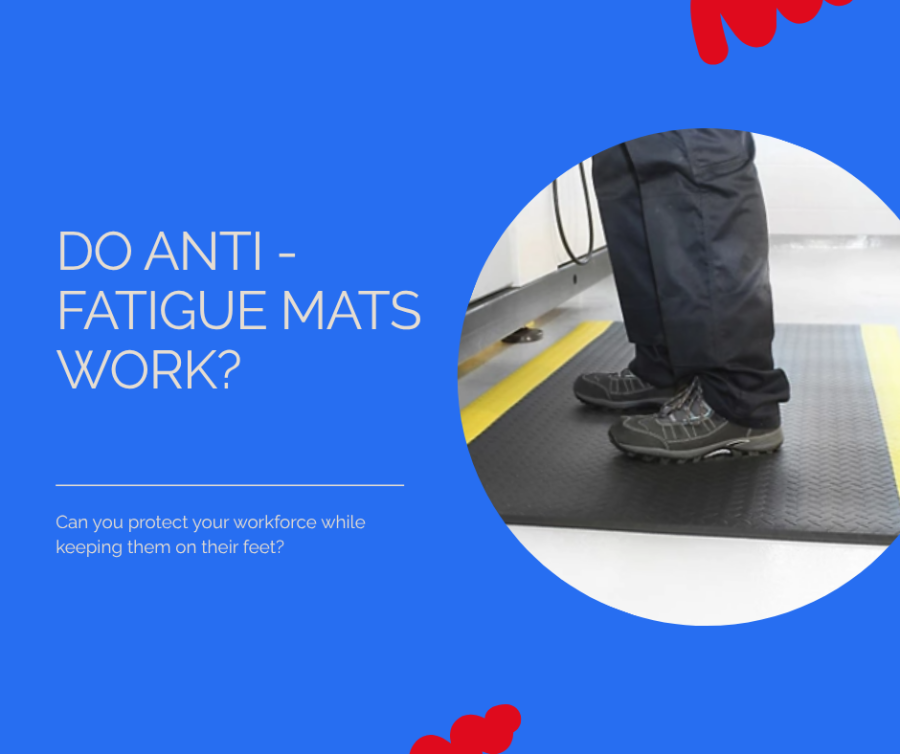
Do anti-fatigue mats work? Keeping your pack team standing
5
min read17 September 2026








Anti-fatigue mats have moderate but real evidence behind them. They help with standing comfort and lower-limb fatigue, though they aren’t a cure for every ache, and they work well alongside good layout.
This guide is for operations and warehouse managers weighing whether anti-fatigue mats are worth it before peak. It sets out what the evidence does and doesn’t show, and how to set up pack stations for the long weeks ahead.
In this article, we’ll cover:
So, do anti-fatigue mats work? The evidence is moderate but positive. Anti-fatigue mats can reduce standing discomfort and lower-limb fatigue for people who stand in one spot for long periods, which describes most packing roles at peak.
They work in two ways. They encourage small, subtle movements in the legs and feet that support circulation, and they cushion the hard concrete floor common in warehouses.
The research is not conclusive, though, and effects vary by person, floor and task. Treat mats as one useful part of the answer rather than a fix on their own, and keep any claims about them measured. There is also a wider wellbeing angle: standing on cold concrete all shift is hard on people, especially in winter, and easing that discomfort matters.
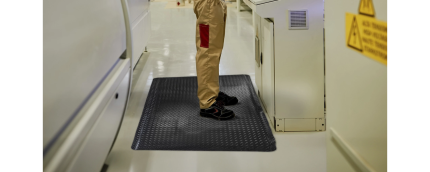
Standing still on a hard floor for hours restricts circulation and loads the feet, legs and lower back. Over a long shift that builds fatigue, and over a long peak it can build absence.
This is what people mean when they ask whether anti-fatigue mats work: it is a warehouse ergonomics problem before it is a product one. Tired packers slow down, make more errors and are more likely to call in sick, all of which cost you most when volumes are highest.
Peak sharpens every part of it. Longer shifts and more consecutive days on the floor turn a minor daily ache into a real risk to your pack capacity.
The main benefits of anti-fatigue mats are greater standing comfort and less end-of-shift fatigue. That is why many operations judge them worth it for permanent, fixed pack stations.
They earn their place where a packer stands in one spot for most of a shift. Where people move around a lot, layout and footwear matter more, so mats are less of a priority there.
Against the cost of fatigue and absence at peak, matting is a modest investment. If you’re weighing peak spending, our packaging cost calculator helps you see where packaging savings could fund improvements like better pack stations.
Mats are most effective as part of a well-set-up station: the right worktop height, consumables within reach and rotation so no one stands in a single spot all shift.
Start with the bench. A properly set up packing benches puts everything within arm’s reach, so packers move naturally rather than staying rooted to one place.
Then add matting where people stand longest. Position anti-fatigue mats at fixed stations, check the bevelled edges sit flush to avoid trips, and rotate staff between roles across the shift.
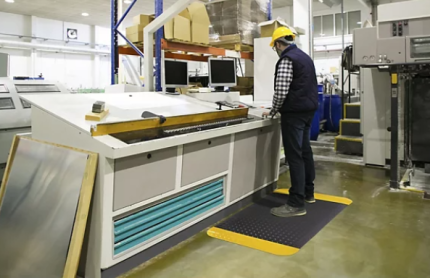
So, do anti-fatigue mats work? They help. The evidence is moderate rather than dramatic, and they are most effective with good bench height, consumables to hand and sensible rotation. Together those protect both comfort and pace.
A comfortable, present team is part of every operation’s plan for e-commerce peak season, because the pack line only runs as well as the people on it.
Set up your pack stations for the long peak. Talk to a packaging expert about matting, benches and layout, then order what you need for next-day delivery. Shop Anti-Fatigue Mats.
They may help by cushioning the floor and encouraging small movements that ease standing strain, but the evidence is moderate and varies by person. They are a support, not a guaranteed cure.
Most warehouse pack stations use mats around 10mm to 20mm thick, which balances cushioning with stability. Too thin gives little benefit, while too soft can feel unstable to stand on.
Place them at fixed standing points such as pack benches, inspection stations and assembly spots. They add least value in walkways or areas where staff are constantly moving.
Often yes, if the team stands at fixed stations for long shifts. The cost per station is modest against the fatigue and absence a hard floor causes during a long peak.
They can if edges lift or curl, so choose mats with bevelled edges that sit flush and secure loose-laid mats in place. Fitted correctly, they improve safety rather than reduce it.
A good-quality industrial mat lasts several years of daily use, depending on traffic and cleaning. Rubber mats tend to outlast foam in heavy, high-traffic pack areas.