
Space is money at peak: warehouse space optimisation
6
min read08 September 2026








At peak, every square metre of your warehouse should be earning its keep by holding sellable stock, not the packaging your need to get it out of the door (or similar).
Warehouse space optimisation is one of the quieter wins going into peak. The space you free up is space you can fill with the seasonal lines that make money. This guide is for warehouse and operations managers who feel the squeeze throughout every October and November.
In this article, we’ll cover:
At peak, warehouse space is your tightest constraint after packer hours, because you’re holding more stock than at any other time of year. Space filled by packaging is space not filled by product you can sell.
This reframes a lot of storage decisions. The question isn’t simply how to save space in a warehouse in general. It’s whether each stored item earns its footprint at your busiest, highest-value time.
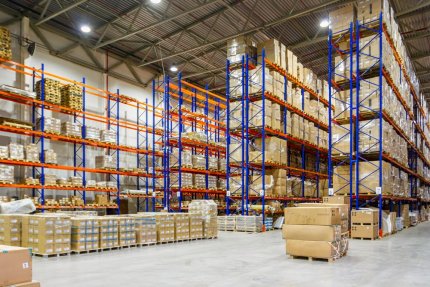
Pre-made cushioning is mostly air, and you pay to store that air. Loose fill, bubble wrap and foam arrive already expanded, so they take up far more room than the protection they deliver.
A few pallets of pre-made void fill can occupy space that would otherwise hold saleable stock through peak. The material is doing a useful job, but it’s doing it while consuming your most valuable floor space at the worst possible time.
One of the most overlooked warehouse storage ideas is to stop storing the packaging in its expanded form at all. If it only expands when you use it, it barely takes any space until then.
On-demand systems store the material flat and expand it at the bench, only as each parcel needs it. A paper void fill machine turns compact fanfold or rolls into cushioning at the point of packing, so you store paper, not air.
Flat stock is dense to store and quick to reorder, which helps in two ways at peak. It gives you back floor space for seasonal lines, and it removes the scramble to store awkward, bulky deliveries when the warehouse is already full. One pack of flat fanfold FillPak void fill paper expands to up to 1.5m³ of fill. So a compact stack of paper replaces the bubble wrap that ships and stores by the pallet.
It’s a practical way to save warehouse space without adding racking or moving to a bigger unit. Pair it with right-sized cardboard boxes and you cut both the storage the packaging needs and the void each parcel has to fill.
Put a number on the space so the decision is financial, not just an operational improvement. Work out your cost per square metre of warehouse, then multiply by the area a switch to on-demand packaging frees up.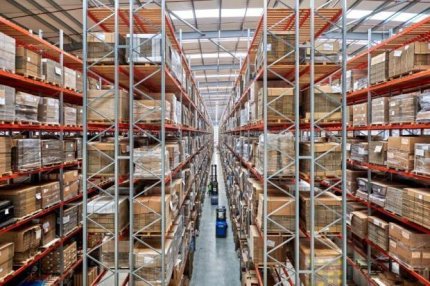
Then value what that reclaimed space earns at peak, whether that’s extra seasonal stock, faster picking or simply avoiding overflow storage. At your busiest time of year, freed space is rarely idle for long.
This is the core of warehouse space optimisation: turning reclaimed floor into a saving you can put a number on.
The exact figures depend on your unit, your stock and your rent, so treat these as a framework to run your own numbers against rather than a fixed saving. Our packaging cost calculator can help you weigh the packaging saving alongside the space you free up.
Warehouse space optimisation at peak comes down to a simple shift: stop storing packaging in its bulky, expanded form and make it on demand instead. You store less air, free up floor space and give it back to the stock that earns.
It’s one of the few peak preparations that pays off twice, in reclaimed space now and in a calmer, less cluttered pack area through peak season.
To free up your floor for peak, talk to a packaging expert about switching from bulky pre-made stock to on-demand void fill and paper cushioning made at the bench. Talk to a packaging expert.
Because pre-made cushioning arrives already expanded and is mostly air. Loose fill and bubble wrap deliver protection but occupy far more room than compact, unexpanded material would.
Switch bulky pre-made packaging to on-demand systems that store flat and expand at the bench. That releases the space those materials occupied back to sellable seasonal stock.
Yes. Compact fanfold or reel stock is dense to store and only expands as each parcel needs it, so you hold paper rather than air until the moment of packing.
Calculate your cost per square metre, multiply by the area freed, then add what that space earns at peak in extra stock or faster picking. That turns a tidy warehouse into a financial case.
For most operations short on space at peak, making it on demand wins. You avoid storing bulky expanded material and produce only what each parcel needs, when it needs it.
Target the packaging that stores in bulk. Moving to on-demand void fill and right-sized boxes frees floor space quickly, without the cost or lead time of new racking or a larger unit.