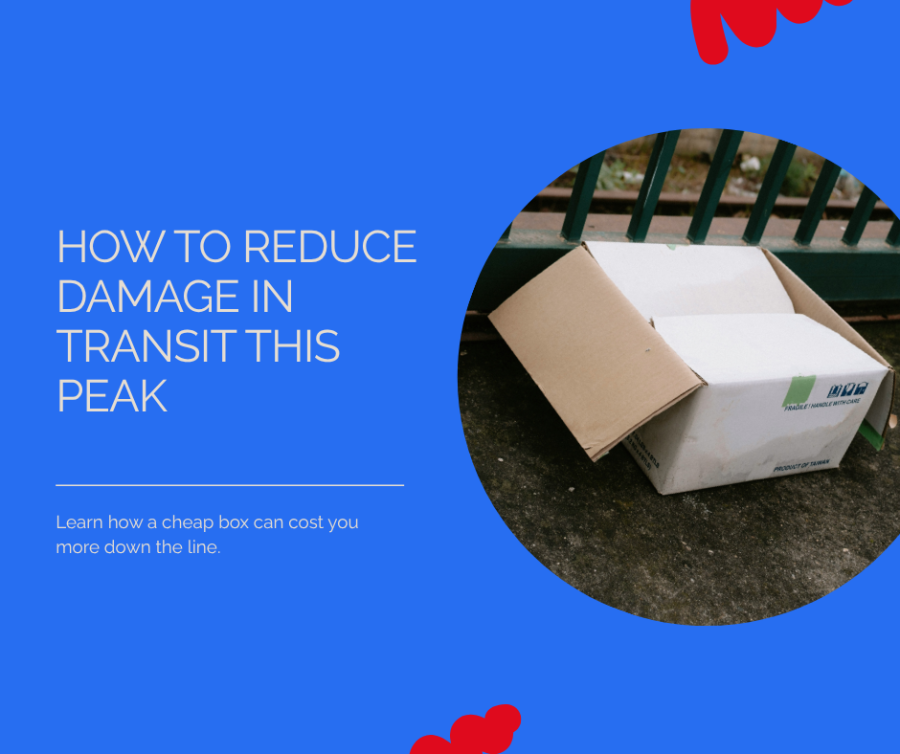
How to reduce damage in transit this peak
6
min read22 September 2026








A box chosen on price alone is the most expensive box you can buy. When it fails in transit you pay for the product, the return, the reship and, often, the customer.
This guide is for despatch and e-commerce managers who want to reduce damage in transit before the busiest weeks of the year. It shows where transit damage comes from, what it really costs and how the right box and protection pay for themselves.
In this article, we’ll cover:
Most transit damage comes from two packaging faults: too little protection, or too much empty space. Both let the product move or take an impact the box can’t absorb.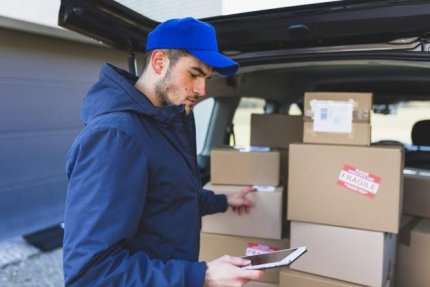
Under-protection is the obvious one. A single-wall box around a heavy or fragile item gives way under stacking and handling, so heavier goods need double wall boxes and enough cushioning inside.
Oversizing is the quieter fault. A box a size too big lets the product shift, the walls crush inward and the parcel arrive damaged. A half empty box is as risky as an under-specified one.
Peak makes both worse. More parcels and rougher handling mean the marginal box that survived a quiet week fails in November.
A damaged parcel rarely costs just the item. Add the return shipping, the replacement, the second despatch and the staff time, and one failure can cost several times the original margin.
It also costs trust. A first order that arrives broken is hard to recover from, and the returns handling is a job in its own right, which we cover in returns management.
Be wary of headline damage-rate figures. Much of the published data is from the US, the UK has a very different delivery model, so treat any single percentage with caution and measure your own return reasons instead.
The right box and the right protection cost pennies more per parcel and save pounds in damage, returns and reshipping. That is how you reduce damage in transit without adding real cost, and across peak volume the maths is decisive.
Right-sizing is the first lever. A box matched to the product removes the void that lets it move, which is the focus of right sized packaging. Where goods are heavy, the right specification is double wall boxes.
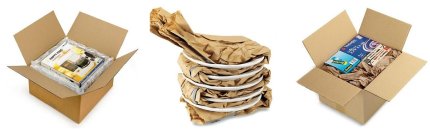
Protection is the second. Fill the remaining space with paper void fill so nothing shifts, and add protection such as bubble wrap or foam packaging for fragile or high-value items. There are many void fill and protection options, so contact RAJA for advice on the right products for your parcels.
For a fuller run-through of which material suits which item, see our guide to protective packaging materials. To weigh better packaging against the cost of damage, our packaging cost calculator helps you model it across your own volume.
To reduce damage in transit at peak, work in order: match the box to the product, fill the void, protect the fragile faces, then seal it well.
Start with the box, sized to the item and strong enough for its weight, then add protective packaging suited to what’s inside. Seal it with good packing tape so the carton holds under stacking.
These same steps prevent damage in transit for the awkward, one-off items peak throws at you.
The box that costs least up front is usually the most expensive once damage and returns are counted. The right box and protection pay for themselves the first time they save a parcel.
Reducing damage is one of five things to get right for peak season. The other four are forecasting stock, packing faster, freeing space and looking after the team, and damage pays back fastest across peak volume.
Protect every peak parcel. Talk to a packaging expert about matching boxes and protection to what you actually ship. Talk to a Packaging Expert.
Most transit damage comes from packaging that is either too weak for the item or too big for it. Under-protection lets impacts through, while an oversized box lets the product move and the walls collapse.
Yes. A box that is too large leaves void space, so the product shifts and the carton crushes inward under stacking. Right-sizing the box is one of the simplest ways to cut damage.
They do different jobs. Void fill stops the product moving in the box, while bubble wrap cushions fragile surfaces against impact. Many parcels need both to be properly protected.
Enough that the item cannot touch the box walls or move when the parcel is shaken. Wrap the fragile faces, then fill the remaining space so nothing shifts in transit.
Yes. Higher volumes and rougher handling mean marginal packaging that coped in a quiet week starts to fail during peak. Preparation before peak is the fix.
In practice the retailer usually absorbs the cost through replacement and reshipping, even where a carrier claim is possible. Preventing the damage is almost always far less expensive than recovering it after the fact.