Royal Mail business collection limit: how to plan for peak
9
min read19 August 2026








From 3rd August 2026, the Royal Mail business collection limit caps your daily peak collection at three times the size of a usual collection outside peak. It runs through November and December 2026, and it’s measured in collection capacity rather than parcel count. So, if your Christmas 2026 dispatch runs hotter than three times a normal day, everything above that needs another route.
This guide is for anyone who books a daily collection and expects a seasonal spike and doesn’t want disruption to customers receiving their orders.
In this article, we’ll cover:
The Royal Mail business collection limit caps daily business collection capacity at three times the average size of a usual collection outside the peak period. It took effect on 3rd August 2026 and applies during November and December 2026.
Royal Mail’s own examples set the scale. A business that typically has 10 yorks (cages) collected each day will be limited to a maximum of 30 per day during peak. A business with one trailer collected daily will be limited to three. The cap sits on top of any volume limits already written into your contract, and the full wording is in Royal Mail’s published terms changes.
The detail that matters most is the unit. Yorks, trailers and mailbags measure space, not orders. How many customer orders fit inside that space is a packaging decision. That means, from November, if you want to continue using Royal Mail you need to think carefully about right-sizing your packaging. Or, if you expect to exceed three times your usual collection, you may even need to consider an alternative.
The cap also sits alongside the Royal Mail peak surcharge, which normally runs from the middle of November to the first week of January. It doesn’t replace it.

Your ceiling is set by your baseline, and Royal Mail’s wording says only “outside of the peak period” without naming the reference window. Ask your account manager which months they are using, because three times a quiet autumn is a lower number than three times a busy one.
The maths doesn’t take long. Pull your November and December 2025 despatch volumes (yorks not parcels), then divide by your current daily average. If last peak ran below three times baseline, you have headroom. If it ran above, you have a gap to close and not very long to close it.
Plenty of businesses will find the numbers tricky. The British Independent Retailers Association has criticised the cap. It says some members see festive parcel volumes reach 15 to 20 times normal daily levels.
Royal Mail’s position is that very few business customers need more than three times their usual capacity, and that it will discuss individual requirements where they do. So, your first port of call should be to speak to your account manager and get your position confirmed in writing.
Because the cap counts capacity rather than parcels, items per york is something you have some control over. There are three ways to tackle it.
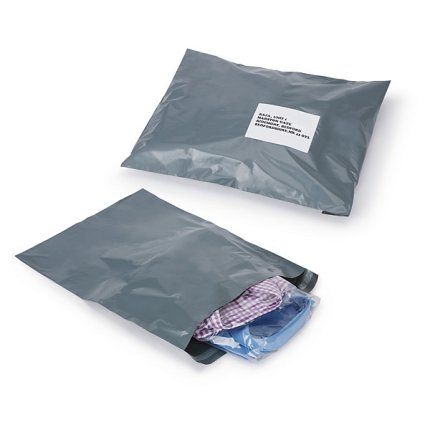 regularly send clothing, textiles or other soft items in cartons, mailing bags and the wider envelopes and mailing bags range are the fastest capacity gain available.
Just remember not to take things too far and risk damage purely for the sake of saving space. A crushed item costs a return, a replacement and a second trip through the same capped collection.
Add a second courier as soon as format changes alone won’t close your gap. DHL, DPD and Evri all offer business accounts, but onboarding times can run into the weeks, especially during busier times. That’s why it’s important to prepare for peak now rather than wait and see.
Comparisons like Evri vs Royal Mail or DPD vs Royal Mail usually come down to price per parcel. This year, collection capacity is something to consider as well. Most alternatives to Royal Mail price and accept parcels against their own size and weight bands. Using a new courier for the first time during Black Friday week is a recipe for disaster if you try to ship mis-sized parcels.
Courier boxes sized to each carrier’s requirements make the process far simpler. DHL double wall boxes, DPD double wall boxes and Evri double wall boxes match each carrier’s bands. You may want to start with double wall boxes until you’re confident in your chosen courier and their ability to get orders from A to B.

Anything despatched in October doesn’t count towards the cap, so you may want to pull some of your plans forward where possible. Early-bird promotions, releasing pre-orders ahead of November and pre-positioning stock are all potential options to try and alleviate some of the impact the cap will bring.
A drop-off at a customer service point sits outside your booked collection, but check your contract before you rely on it. The same 3rd August terms update introduced a surcharge for Tracked items bought on account and handed over at consumer drop-off points where your agreement already includes free collections. If that applies to you, this route costs money rather than saving it.
The plan only works in order, because each month depends on the last. Our prepare for peak blog series covers a range of topics letting you know how to tackle this tricky time in the e-commerce calendar.
Here’s an approximate timeline you can stick to ensure the cap doesn’t catch you out.
The Royal Mail business collection limit doesn’t reduce what you can sell this Christmas. But, it may change how efficiently you have to use each collection, which mainly centres around packaging and scheduling. Businesses that pack denser, trial a second courier in October and pull volume forward will barely notice it.
The ones that struggle will be those who find out in the first week of November. You have until then, so it’s best to make a start now.
RAJAPACK stocks cardboard courier boxes, mailing bags and protective packaging in bulk quantities for peak, with next-day delivery across the range. Order yours today and prevent issues during the busiest time in the e-commerce calendar.
A york is the wheeled roll cage Royal Mail uses to move bulk mail and parcels between sites. The cap counts yorks because it limits physical space on the collection, not the number of parcels inside it.
Royal Mail limits the capacity it provides for your booked collection. Anything above that needs another route, whether that is a second courier, a drop-off or a dispatch date outside peak.
The peak surcharge normally runs from the middle of November to the first week of January. It applies separately from the collection cap, so both can affect the same parcel.
Rarely. If your November and December volumes stay within three times your usual daily collection, the cap has no practical effect on your dispatch.
Royal Mail publishes its last recommended posting dates each autumn, and the first class date usually falls in the third week of December. Confirm the 2026 dates before you set your own order cut-offs.