The 10 best packaging supplies for new e-commerce businesses
7
min read13 July 2026








A new e-commerce business runs more smoothly when its packing area has the right kit from day one. The 10 best packaging supplies for e-commerce businesses below cover protection, sealing, labelling and your workspace, so orders go out faster and arrive intact. And this efficiency can also save you money and prevent you from having to expand your team faster than you might like, so it’s a huge win-win.
This list is for new online sellers setting up a packing area for the first time. Each item earns its place by saving time, cutting damage or keeping postage down. For the wider picture, start with our guide to packaging for small business.
In this article, we’ll cover:
At a minimum you need boxes, tape, a tape dispenser, protective fill, mailing bags, labels and a dedicated place to pack. For brand new start-ups, your dining table will only do the trick for the short-term. The more quickly you are prepared to pack efficiently, the better equipped you are to scale. And as you do, add storage and presentation as your order volume grows.
The 10 e-commerce packaging supplies below are listed in the order you tend to reach for them during a pack. Buy a small range first, then refine once you see what you post most.
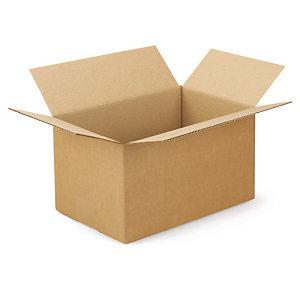
Boxes are the foundation of most orders, so start by matching the box to the product, not the other way round. A box just larger than the item uses less void fill and keeps you in a cheaper postage band.
Use the box selector tool to find sizes that fit your range. Our guide to measuring a box for shipping explains how to measure correctly and when to choose double wall.
Strong tape seals boxes securely and reduces damage in transit. Choose low noise packing tape if you pack near other people, self-adhesive paper tape for a recyclable seal or reinforced paper packing tape for added strength and tamper evidence.
Match the tape to the load and the box weight. Our guide to which tape to use for cardboard boxes compares the options and shows the H-taping method.
A tape dispenser speeds up sealing and gives a cleaner, more consistent finish than tearing tape by hand. A hand-held gun suits low volumes, while a heavier bench dispenser suits busy days.
It’s a small spend that pays back quickly in time saved per parcel. Most new sellers underestimate how much manual taping slows a pack.
Void fill stops products moving inside the box, which is the most common cause of transit damage. Paper void fill is widely recyclable and works well for most non-fragile goods.
Browse the void fill range and fill every gap so the box walls are supported. Right-sized boxes need less fill, so the two work together.
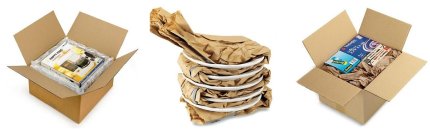
For fragile items, wrap each one individually before it goes in the box. Bubble wrap cushions corners and edges where most breakages happen.
Recycled and recyclable grades are available if you want to keep the order kerbside-friendly. Pair bubble wrap with void fill for heavier or higher-value goods.
Not everything needs a box. Polythene mailing bags suit soft, non-fragile items like clothing, and they post lighter and more affordably than a box.
Stock two or three sizes to fit your range. Our guide to mailing bags for clothes covers sizing for t-shirts, dresses and shoe boxes.
Clear, well-placed labels keep parcels moving. Packaging labels cover address, returns and handling information in one tidy system.
Place the label flat on the largest face with no tape over the barcode. Our guide to how to address a parcel shows where each detail should sit.
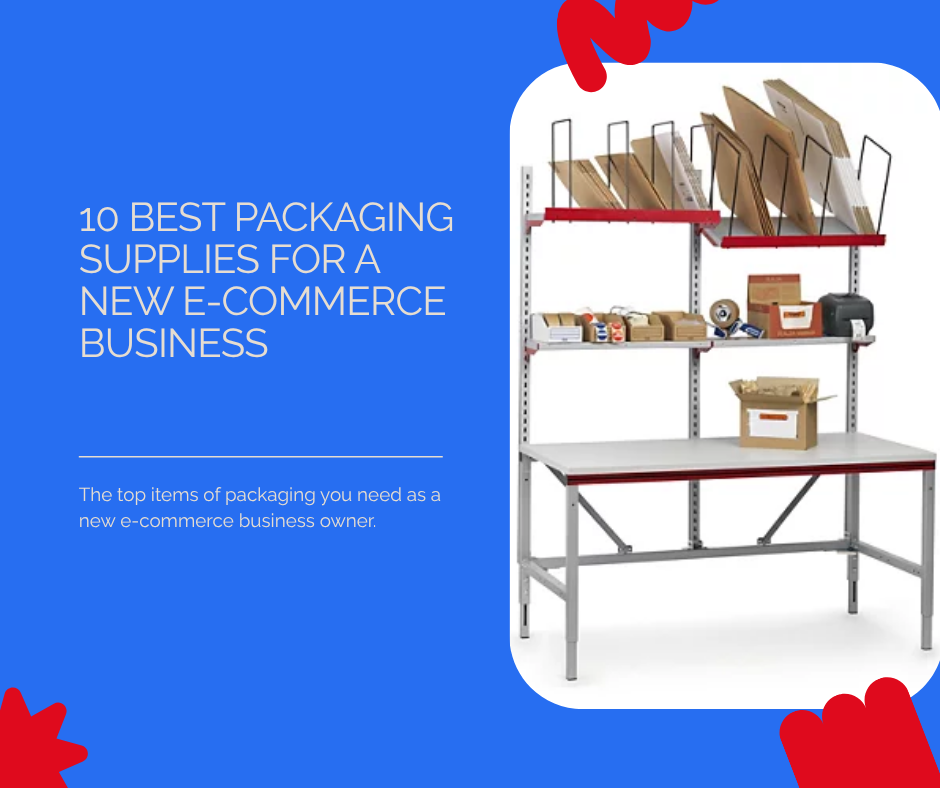
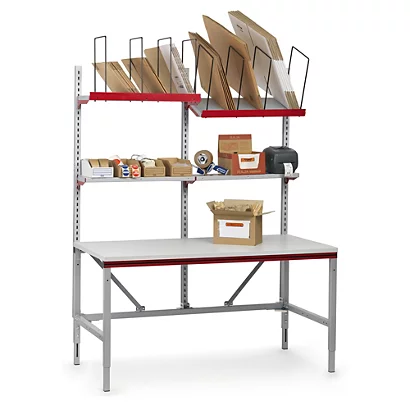
A dedicated packing bench turns a scattered process into a smooth, repeatable one. Keeping boxes, tape and fill within arm’s reach cuts the time spent on every order.
A workstation at the right height also reduces strain during long packing sessions. It’s the upgrade most sellers wish they had made sooner.
Organised stock means faster picking and fewer mistakes. Picking bins keep products and consumables sorted and easy to find.
Group fast-moving items closest to the packing bench. A logical layout removes the small delays that add up across a busy day.
Presentation matters once the order is protected. Retail and gift packaging lifts the unboxing experience and helps a small brand feel considered.
Tissue, ribbon and gift boxes suit higher-value or giftable products. Match the finish to your brand and your margins, not to every order.
You can add your branding without a large print run. Custom printed packing tape puts your logo on every parcel for a fraction of the cost of fully printed boxes.
It’s the most affordable way to make plain boxes look on-brand. For more ideas, see our guide to custom packaging for small business.
Start with the core e-commerce packaging supplies: boxes, tape, a dispenser, void fill and labels. Add a packing bench, storage and presentation as your order volume builds.
Order a small range first and test it on real orders before buying in bulk. That keeps your early outlay low while you learn what you post.
Now that you know the best packaging options for your e-commerce business, you can browse the full range to find boxes, tape, fill and labels in sizes that fit your products.
Start with boxes, tape, a tape dispenser, void fill and labels. These five cover sealing, protection and despatch for most orders, and you can add mailing bags, storage and presentation as you grow.
Three or four sizes cover most e-commerce ranges. A small, medium and large box handles the bulk of orders, with an extra size for anything unusually shaped.
They do different jobs. Bubble wrap cushions individual fragile items, while void fill stops everything moving inside the box, so many sellers use both for higher-value orders.
Yes, once you pack more than a handful of orders a day. Keeping supplies within reach at the right height speeds up every pack and reduces strain.
Custom printed tape is the most affordable option. It puts your logo on every parcel without the cost or minimum order of fully printed boxes.
Right-sized boxes and mailing bags make the biggest difference, since postage is priced by format and weight. Smaller, well-fitted packaging keeps parcels in a cheaper band.