



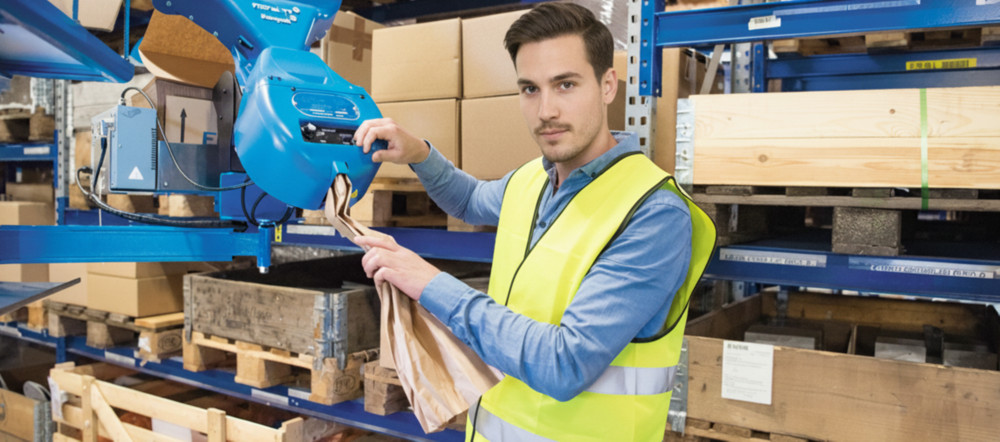





Reduce, Reuse, Recycle: the 3Rs as practical solutions for rethinking your packaging
Faced with environmental and regulatory pressures, UK businesses need to rethink their packaging. The 3Rs - Reduce, Reuse, Recycle - are a practical way to move to sustainable packaging that lowers your environmental impact while optimising logistics costs. Choosing eco friendly packaging at every stage helps you cut waste, meet UK regulations and protect your margins.
How can you reduce packaging to consume less and consume better?
Reducing means limiting the amount of material used from the very first stage of packaging design, and cutting waste at source.
In practice:
- Choose the right size to avoid unnecessary void and reduce the protective packaging you need.
- Lighten your materials by using less raw material, without compromising the quality and strength of the pack.
RAJAPACK solutions:
- A choice of over 900 cardboard box sizes for a snug, right-sized fit.
- A range of adjustable and telescopic boxes with variable height.
- Right-sized protective packaging and void fill to avoid over-packaging.

How can you reuse packaging and extend its working life?
Reuse is part of a circular-economy approach that limits waste at source. It means using a pack several times before it is recycled.
Many types of reusable packaging - from cardboard boxes and plastic containers to protective materials - can join this virtuous circle, provided your logistics system is adapted to support this new model.
RAJAPACK solutions:
- Movopack reusable mailers withstand multiple logistics cycles, are resealable, and are ideal for e-commerce and distance selling with returns.
- Returnable packaging with a double adhesive strip to simplify returns management and improve the customer experience.
- Recycled-plastic bins and containers for internal flows or inter-site shuttles, reducing the need for single-use packaging.
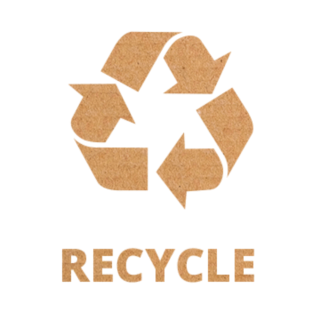
How can you recycle packaging to give materials a second life?
Alongside reducing and reusing, recycling turns waste into new resources, as long as suitable collection and processing are in place.
Best practice:
- Favour mono-material packaging.
- Choose recyclable packaging and, where possible, recycled packaging.
- Build in recycled content.
RAJAPACK solutions:
- All our cardboard boxes are recyclable. Made from at least 70% recycled content, this recycled cardboard packaging can be recycled again through UK kerbside collection once tape and labels are removed.
- We always offer a paper alternative to plastic, such as paper void fill, paper tape and paper film.
- A wide choice of FSC®-certified (Forest Stewardship Council) products, so you can pack with sustainably sourced materials.
RAJAPACK, your partner for a responsible transition
Adopting the 3Rs means combining logistics performance, regulatory compliance and environmental commitment. With our packaging expertise, we help you optimise your sustainable packaging to reduce your impact while keeping shipments secure. Take action today with more responsible, eco friendly packaging: view the products.


The symbols, logos and certifications to know and recognise
To help you understand them and guide your choices, here are the main ecolabels, symbols and certifications that apply to packaging (sometimes called green labels). Learning to read these environment labels and sustainability badges makes it easier to choose genuinely responsible products, and to understand the types of ecolabels you will see on the market.
The RAJAPACK markers
Easily identify responsible products thanks to our on-pack signage. The main environmental benefit is spelled out in full and works alongside official environment labels to make responsible choices clear at a glance.
XX% RECYCLED | RECYCLABLE | Sustainably sourced


The symbols

This is the recycling symbol (also called the recycling logo). It indicates that the product or packaging is designed to be recyclable. It will only be recycled in practice if local sorting guidelines are followed.

This is the symbol for recycled material. It shows that the product or packaging contains recycled material, up to the percentage indicated.
Ecolabels and certifications

The EU Ecolabel promotes products with a reduced environmental impact across their whole life cycle, without compromising on quality. It is one of the most recognised ecolabels in Europe.

This certification for cleaning products guarantees environmentally friendly production processes, ingredients of natural or organic origin, and a ban on most petrochemical ingredients.

Created in 1999, PEFC is one of the recognised forest-certification systems supporting sustainable forest management. On a wood-based product, the PEFC mark guarantees responsible, socially and economically sound forest management. pefc.org.

The OK compost HOME certification guarantees complete biodegradation under specific conditions such as home composting.

The RESY symbol is issued by a German organisation that guarantees the collection and recycling of all paper and cardboard-based transport packaging bearing it.

This certification for cosmetic products guarantees environmentally and health-friendly production processes, respect for biodiversity, no petrochemical ingredients (aside from authorised preservatives) and no GMOs.

The Forest Stewardship Council® (FSC®) is an international, non-profit organisation dedicated to promoting responsible forest management worldwide. RAJAPACK works with FSC® to offer customers more responsible choices. By buying products carrying this label, you help protect forests around the world.


Packaging standards and regulations
EPR - Extended Producer Responsibility & RAM
Extended Producer Responsibility (EPR) is UK legislation that makes businesses financially responsible for the end-of-life costs of the household packaging they place on the market. Under Extended Producer Responsibility (EPR) rules, if you handle or supply packaging above set thresholds you must register with the regulator and report your packaging data; large producers also pay waste-disposal fees on their household packaging tonnage.
Key points:
- EPR is already in force - large-producer fees started in 2025, based on 2024 packaging data.
- You're likely obligated if you're a UK business with annual turnover of £1 million or more, are responsible for more than 25 tonnes of packaging a year, and carry out a packaging activity.
- Fees are 'eco-modulated': the more recyclable your packaging, the lower your future fees. This is assessed through the Recyclability Assessment Methodology (RAM), which grades packaging on how easy it is to recycle.
- Choosing recyclable, mono-material and recycled packaging now can help reduce what you pay.
Find out more:

Plastic Packaging Tax (PPT)
The Plastic Packaging Tax (PPT) applies to plastic packaging manufactured in, or imported into, the UK that contains less than 30% recycled content. Introduced in April 2022, it's charged at £228.82 per tonne from 1 April 2026 (up from £223.69).
Key points:
- You must register with HMRC if you manufacture or import 10 tonnes or more of finished plastic packaging components in a 12-month period, even if your packaging is exempt or fully recycled.
- Packaging with 30% or more recycled content isn't taxed, so switching to recycled or paper-based alternatives can cut your bill.
- From April 2027, only post-consumer recycled content will count towards the 30% threshold, so review your specifications now.
Find out more:

Simpler Recycling
Simpler Recycling standardises how recyclable waste is collected across England. It requires businesses to separate the core recyclable streams - glass, metal, plastic, paper and card, and food waste - from general waste before collection.
Key points:
- Since 31 March 2025, businesses and non-domestic premises with 10 or more full-time-equivalent employees must comply.
- Micro-firms (fewer than 10 FTE employees) must comply by 31 March 2027, when plastic film and flexible packaging also come into scope.
- The Environment Agency can issue compliance notices to businesses that do not separate their waste correctly.
- Choosing mono-material, clearly labelled recyclable packaging makes separation and compliance easier for your team and your customers.
Find out more:

PPWR - Packaging and Packaging Waste Regulation
The EU Packaging and Packaging Waste Regulation (PPWR), Regulation (EU) 2025/40, entered into force in February 2025 and applies from 12 August 2026. It affects any UK business that sells packaged goods into the EU, and much of it also applies in Northern Ireland.
Key changes introduced by the PPWR:
- All packaging placed on the EU market must be recyclable by 2030, with staged minimum recycled-content targets for plastic packaging.
- Packaging must be minimised - empty space in transport packaging is capped (no more than 40% void where avoidable).
- A ban on intentionally added PFAS in food-contact packaging from August 2026.
- Harmonised labelling to help consumers sort packaging correctly.
- Every packaging type placed on the EU market will need a Declaration of Conformity backed by technical documentation.
UK businesses selling into the EU should audit their packaging now to identify excessive or non-recyclable materials.
Find out more:

FAQ: Responsible packaging and logistics