


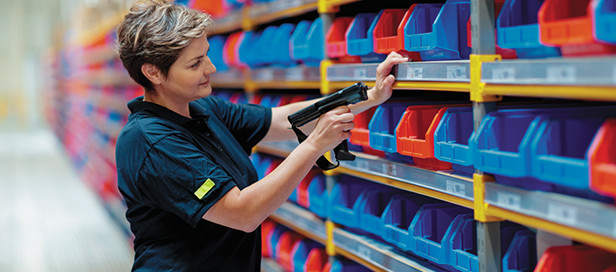




How do you choose the right range of storage and shipping pallets?
Pallets are an indispensable tool in logistics, enabling safety and reliability during the handling, storage and transportation of goods. Choosing the right pallet is essential for securing your shipments, optimising your logistics costs and ensuring compliance with export regulations.
Above all, the right pallet improves safety and stability. By grouping products correctly, it significantly reduces the risk of tipping and damage during transport.
Another major advantage is that shipping by pallet optimises the loading of lorries and containers, and facilitates handling. Loading and unloading are carried out more quickly and safely, which reduces the overall costs of logistics.
Whether for permanent or temporary storage, pallets help make the most of limited warehouse space. This helps optimise the logistics flow, and minimises disputes and breakages by ensuring more reliable shipping.

What are the different types of pallets?
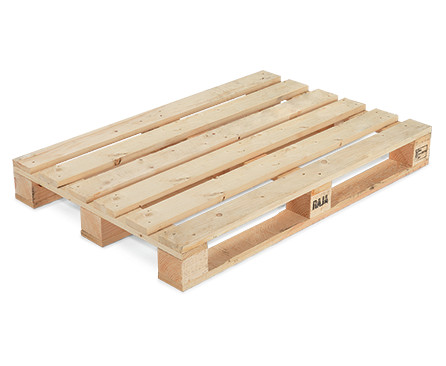
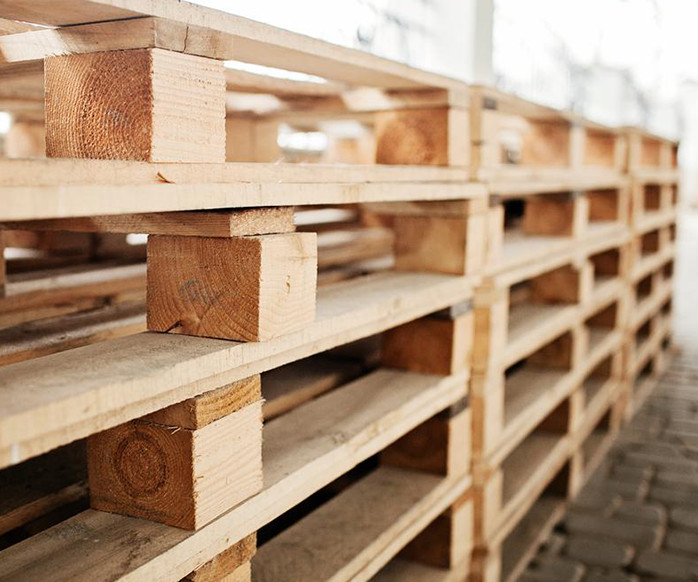
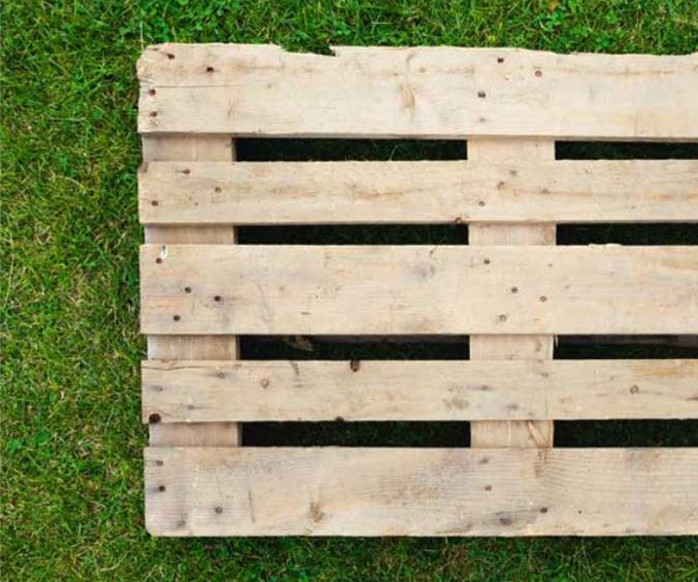
Wooden pallet
The most commonly used
- Sturdy.
- Durable and repairable.
- Suitable for rack mounting and stacking.
- Suitable for export (if treated in accordance with ISPM 15).
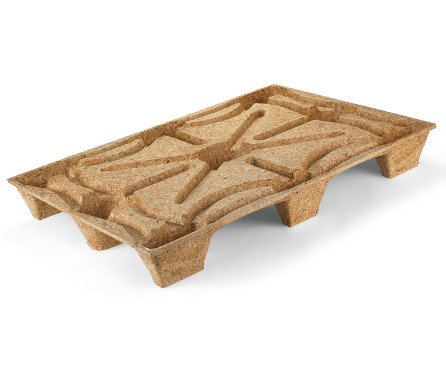
Presswood pallet
Easy to store
- Lightweight.
- Stackable.
- Cost-effective.
- Suitable for export (if treated in accordance with ISPM 15).
- Safe to handle.
- Resistant to temperature fluctuations.
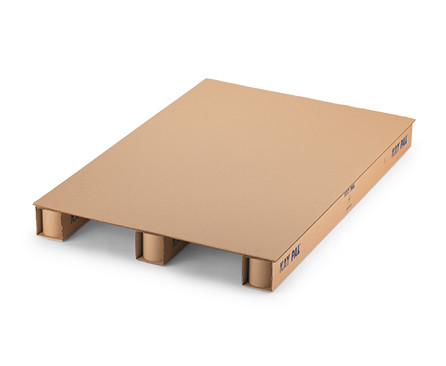
Cardboard pallet
The lightest
- Lightweight.
- Durable.
- Stackable.
- Cost-effective.
- Suitable for export (if treated in accordance with ISPM 15).
- Safe to handle.
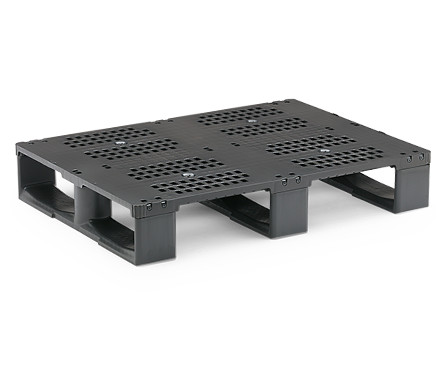
Plastic pallet
Ergonomic
- Waterproof and unaffected by temperature fluctuations.
- Sturdy.
- Suitable for rack mounting and stacking (depending on model).
- Hygienic and washable.
- Suitable for export (if treated in accordance with ISPM 15).
- Safe to handle.
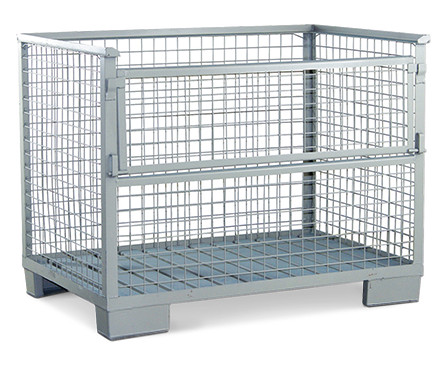
Cage pallets
Heavy duty
- Load capacity of 800kg.
- Easily stackable.
- Fold flat when not in use.
- Allow for easy access of goods.
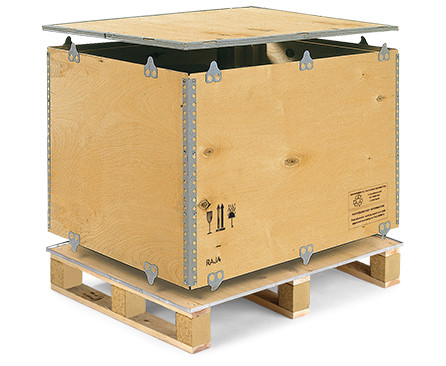
Pallet boxes
Versatile
- Strong, reinforced design.
- Stack up to five high.
- Space-saving.
- Large volume storage.
Our expert advice
To help you choose the right pallet, RAJA recommends that you consider the following:
- The load to be supported
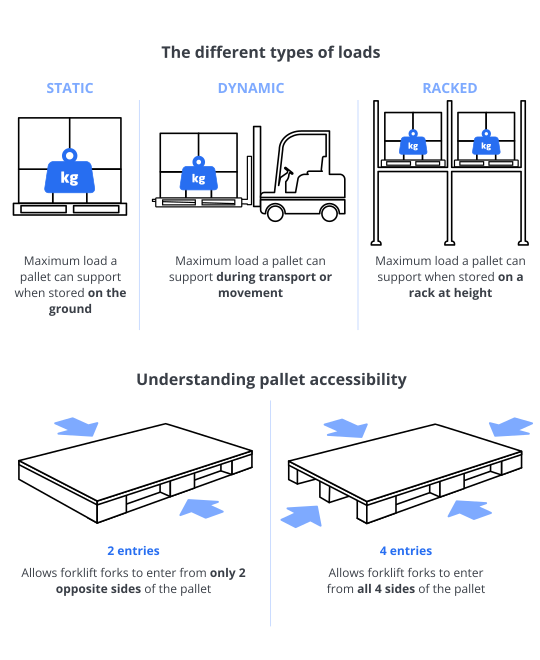
Identify the weight of your products and the type of load: static (stationary pallet), dynamic (moving pallet) or racking (pallet stored at height). Each pallet is designed to withstand specific load and usage requirements. - Pallet and product dimensions
Product dimensions must be matched to those of the pallet to avoid any overhang or excessive empty space, ensuring safe and stable handling. The most common format in Europe is 1200 × 800 mm, but there are other dimensions fit for specific uses. - Shipping frequency
Depending on how often you ship, choose a durable, reusable multi-trip pallet or a more cost-effective single-use pallet. - Mode of transport
Sea: pallets resistant to moisture and temperature fluctuations, with dimensions that allow for optimal use of space in containers.
Air: lightness is essential to minimise weight-related costs.
Road: pallets adapted to standard lorry dimensions to maximise the number of pallets loaded.
International exports: wooden pallets compliant with ISPM 15, which requires strict phytosanitary treatment and enhanced customs checks. If your products allow it, opt for cardboard, moulded or plastic pallets, which are exempt from these requirements. - Ease of handling
A two-way pallet, which can only be accessed from two sides, requires more space, while the four-way pallet, which is accessible from all sides, is easier to handle.
Good to know
Which pallet should you choose for your needs?
Max. dynamic load |
Max. static load |
Max. racked load |
Reusable |
Single use |
Fork entries |
Suitable for export |
Resistant to weather conditions |
Storage |
Sustainability |
|
Wooden pallet |
4000kg | - | - | 4 |
Indoor/outdoor | Recyclable |
||||
Presswood pallet |
1250kg | 5000kg | - | 2 to 4 |
Indoor/outdoor | 100% recycled material and recyclable |
||||
Paper carton pallet |
675kg | - | - | 2 to 4 |
Indoor | 85% recycled material and recyclable |
||||
Paper carton pallet boxes with pallet |
750kg | - | - | 2 to 4 |
Indoor | 85% recycled material and recyclable |
||||
100% recycled plastic pallet |
1100kg | 2500kg | - | 4 |
Indoor/outdoor | 100% recycled material and recyclable |
||||
Industrial plastic pallet |
1500kg | 5500kg | 500kg |
4 |
Indoor/outdoor | 100% recycled material |
||||
Heavy duty plastic pallet |
1000kg | 2000kg | - | 4 |
Indoor/outdoor | 100% recycled material and recyclable |
Tips for a well-prepared pallet
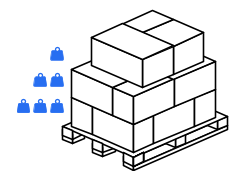
Weight
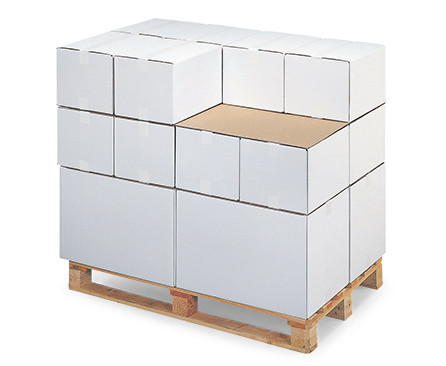
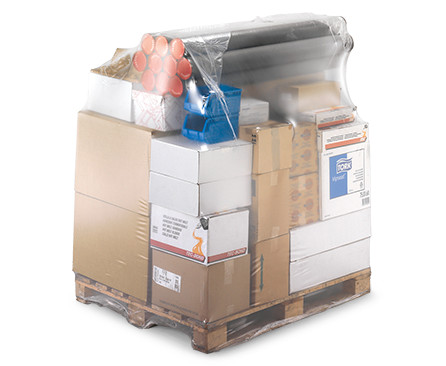
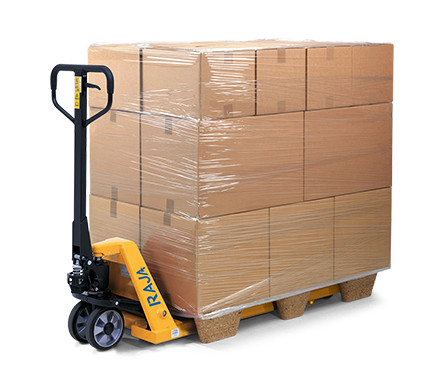
Place the heaviest boxes at the bottom and the lightest ones at the top.
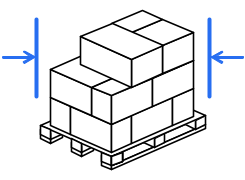
Alignment
Carefully align the boxes, without letting any edges or corners stick out.
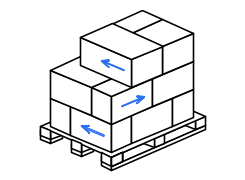
Placement
Alternate the orientation of each layer (cross-stacking).
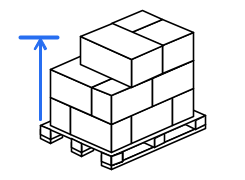
Height
Limit the height of the pallet (generally do not exceed 145 cm, unless otherwise specified).
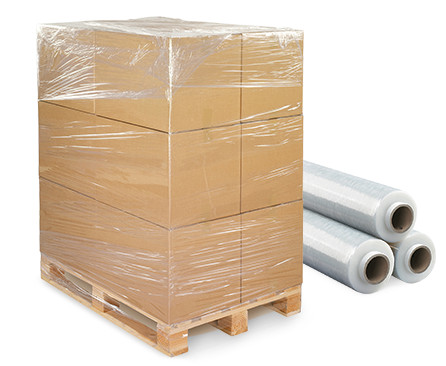
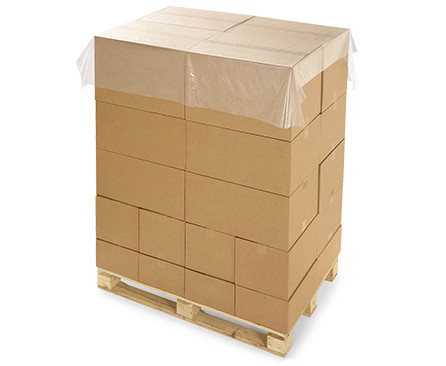
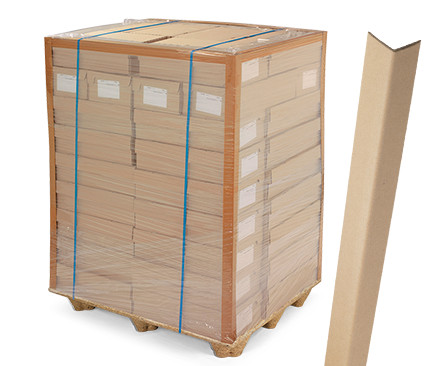
The essentials for a stable, well-protected pallet
FAQ (frequently asked questions)