







Principles of the Action programme
Foundation supports 12 projects through the action programme:
Women & Environment

About the Action programme
Established in 2006, the RAJA-Danièle Marcovici Foundation supports projects improving the living conditions of women all over the world. The Foundation has aided hundreds of associations benefiting tens of thousands of women.
Each time you purchase 1 pack of our eco-responsible partnership products, £1 is donated to the Foundation, which allocates the funds collected to the nominated projects.
Since 2015, more than €4 million has been collected and donated across the RAJA group, helping to support more than 800 projects for the direct benefit of more than 15,000 women in Africa, Latin America, Asia and Europe.
In 2023, nearly €500,000 was collected and donated by RAJA France and the European countries partipating in the Action Programme.
Projects Currently Supported
Each year, the RAJA-Danièle Marcovici Foundation selects associative projects acting in favour of women's actions for the environment. Here are the projects supported until 31/12/2026.
Carton Plein
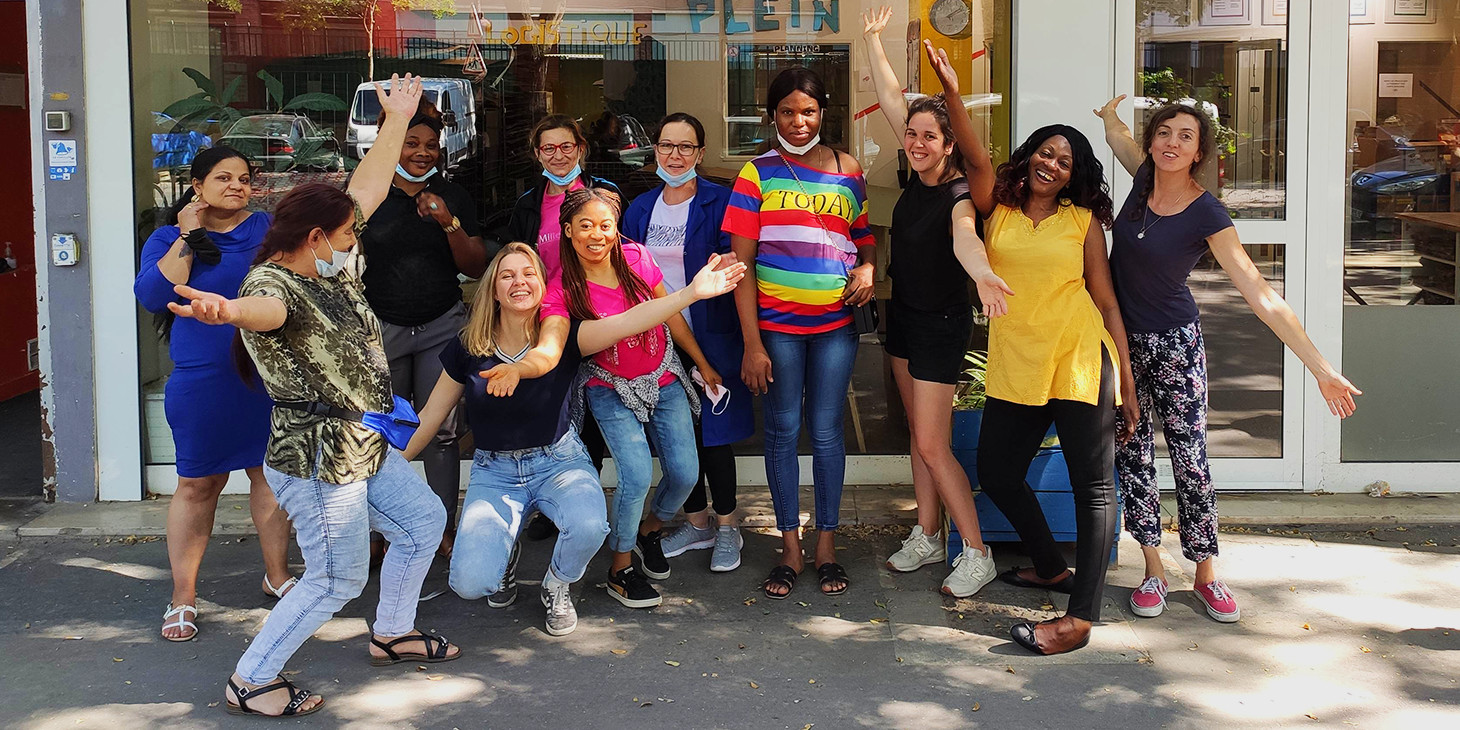
Enabling marginalised women to re-enter the workforce through cardboard recycling.
In France, nearly 300,000 people live on the streets, including at least 3,600 in Paris, facing precarious, dangerous conditions and issues such as unemployment, health, addiction, and lack of income. Carton Plein was created to help these vulnerable people, especially those experiencing homelessness, by supporting their social and professional integration through giving value to waste cardboard. Women, who are on the frontline of vulnerability, are increasingly represented among those living on the streets. They are often invisible and face deeply concerning forms of social violence. The project presented continues Carton Plein’s commitment to further integrating gender considerations into its activities by maintaining gender parity and offering a wide range of empowerment-focused opportunities. The association will strengthen its support for women beneficiaries by tailoring services to their specific needs and profiles. The project seeks measurable impact by increasing the participation and retention of women in cycle logistics through targeted recruitment and training.
- 54 women supported.
- 40% of them find employment or training at the end of their integration programme.
CCFD Terre solidaire
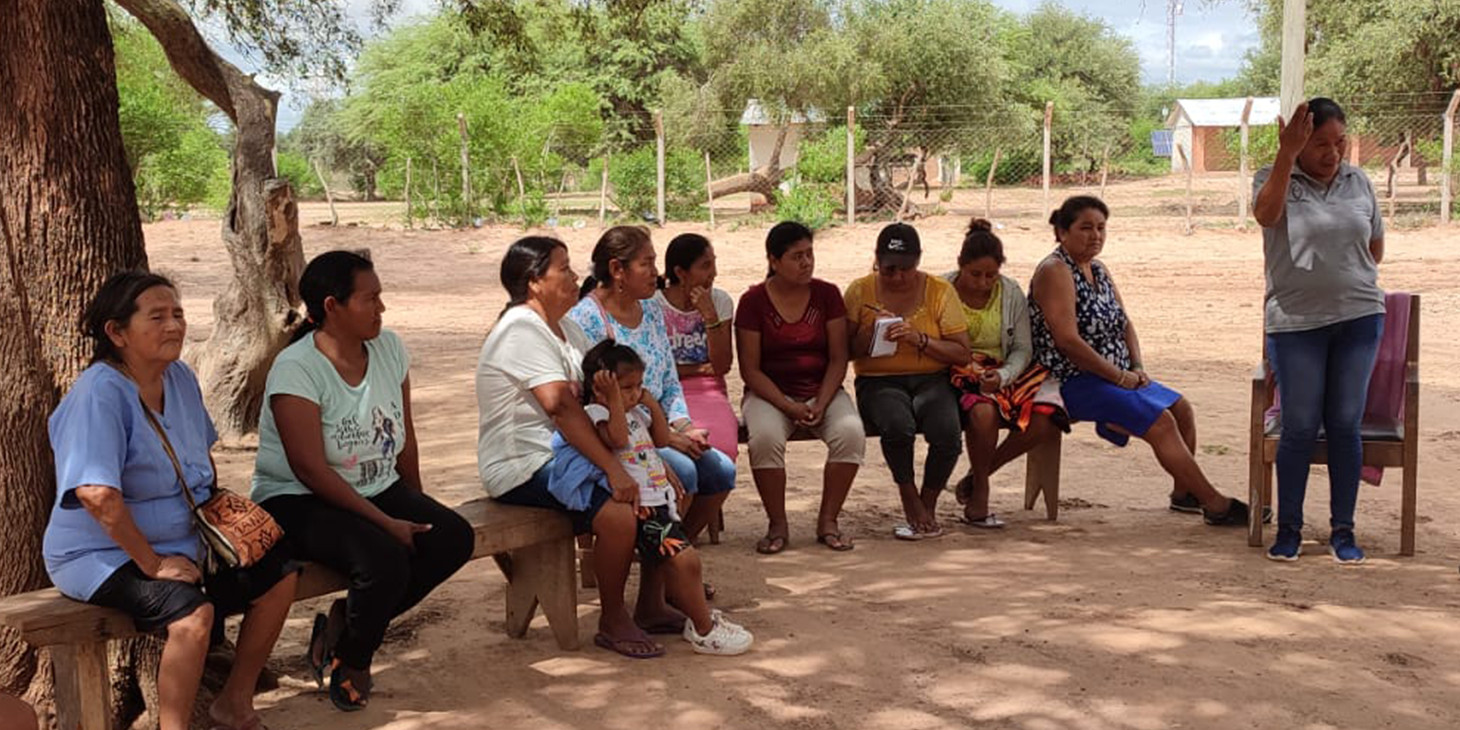
Promoting agroecology among indigenous women and strengthening their political participation for sustainable environmental management.
The Chaco region, located in south-eastern Bolivia, is a vast area mainly inhabited by indigenous communities living off agriculture. This region faces numerous environmental and social challenges, particularly due to pressure from the agro-industrial model. The expansion of soybean cultivation and extensive livestock farming is causing massive deforestation, threatening the territories and lifestyles of local populations. CCFD-Terre Solidaire, in partnership with CIPCA (Centre for Research and Promotion of Peasantry), is implementing a project to train women from some fifteen indigenous communities in agroecological techniques and political skills. They will be trained in the management of agroforestry systems adapted to climatic conditions, the use of natural inputs and the processing of agricultural products. Some will follow a specific programme designed to boost local fruit and vegetable production for small-scale sale. In addition, women wishing to take on political responsibilities will receive training on public policies related to conservation and environmental and territorial management, thereby strengthening their ability to influence decision-making and put forward concrete proposals.
- 65 women trained in agroecology.
- 80 women trained in public policies related to conservation and environmental management.
Commerce Equitable France
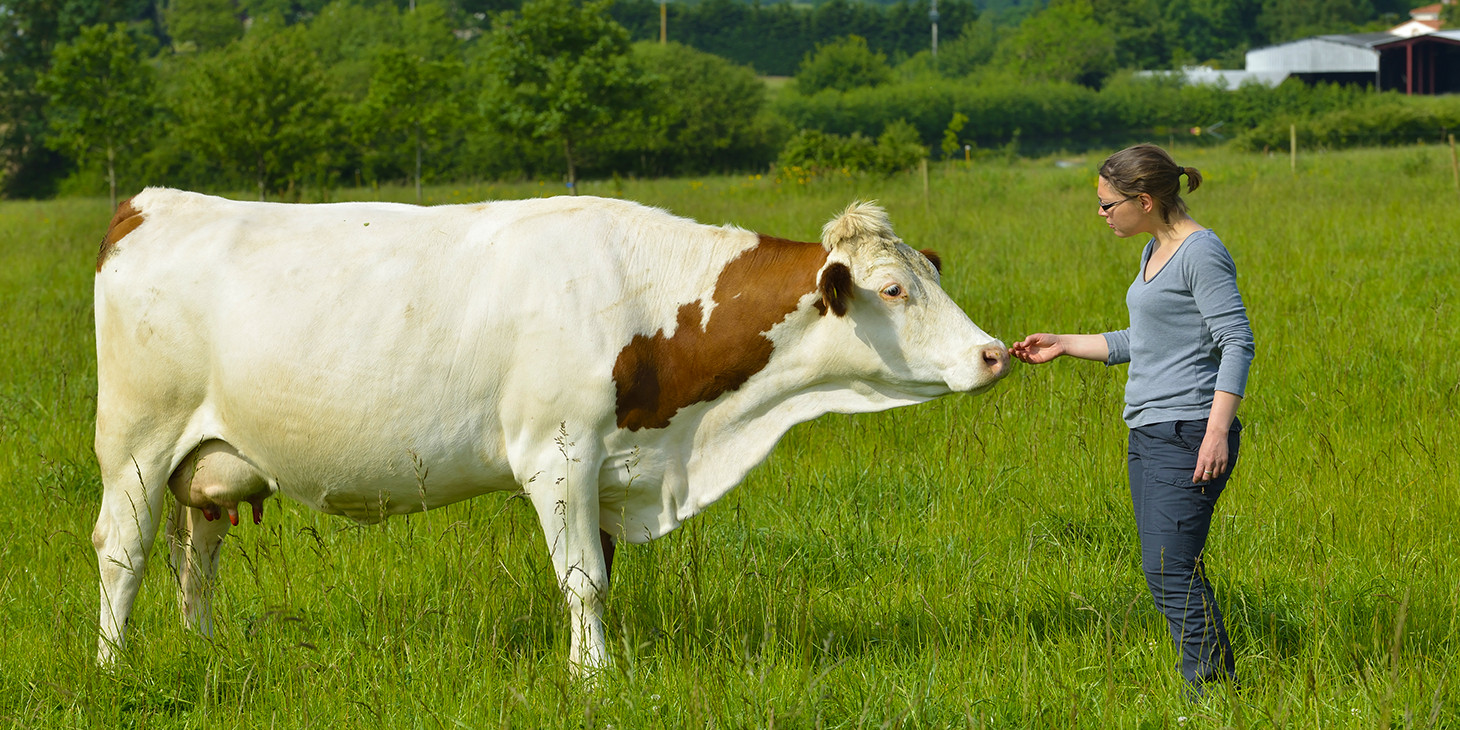
Promoting better representation of women farmers in French agricultural sectors.
The project led by Commerce Équitable France is driven by a dual ambition: to advance gender equality within French agricultural supply chains and to position fair trade as a strategic lever for this transformation. In an agricultural sector still deeply affected by gender inequalities, the association seeks to address the systemic causes that hinder the recognition, representation, and empowerment of women farmers. Although women account for 30% of farm managers in France, they continue to face structural discrimination: lower incomes (29% less than men), limited access to land and financing, weak institutional recognition, the invisibilisation of their role within agricultural organisations, and under-representation in professional governance bodies. Fair trade, based on principles of social justice, economic democracy, and income security, provides a relevant framework for driving meaningful and lasting change. While gender considerations are embedded in fair-trade principles, they remain difficult to put into practice. By working with stakeholders across French supply chains, producers, labels, businesses, and retailers, the association aims to create an ecosystem that recognises women farmers and highlights the vital role they play in the ecological transition.
- A study documenting gender inequalities in French fair trade agricultural sectors has been carried out and best practices for gender integration have been documented.
- 15 women farmers trained in leadership, public speaking and cooperative governance.
- A ‘gender equality and fair trade’ award presented at the Fair Trade Awards.
Elevages Sans Frontières
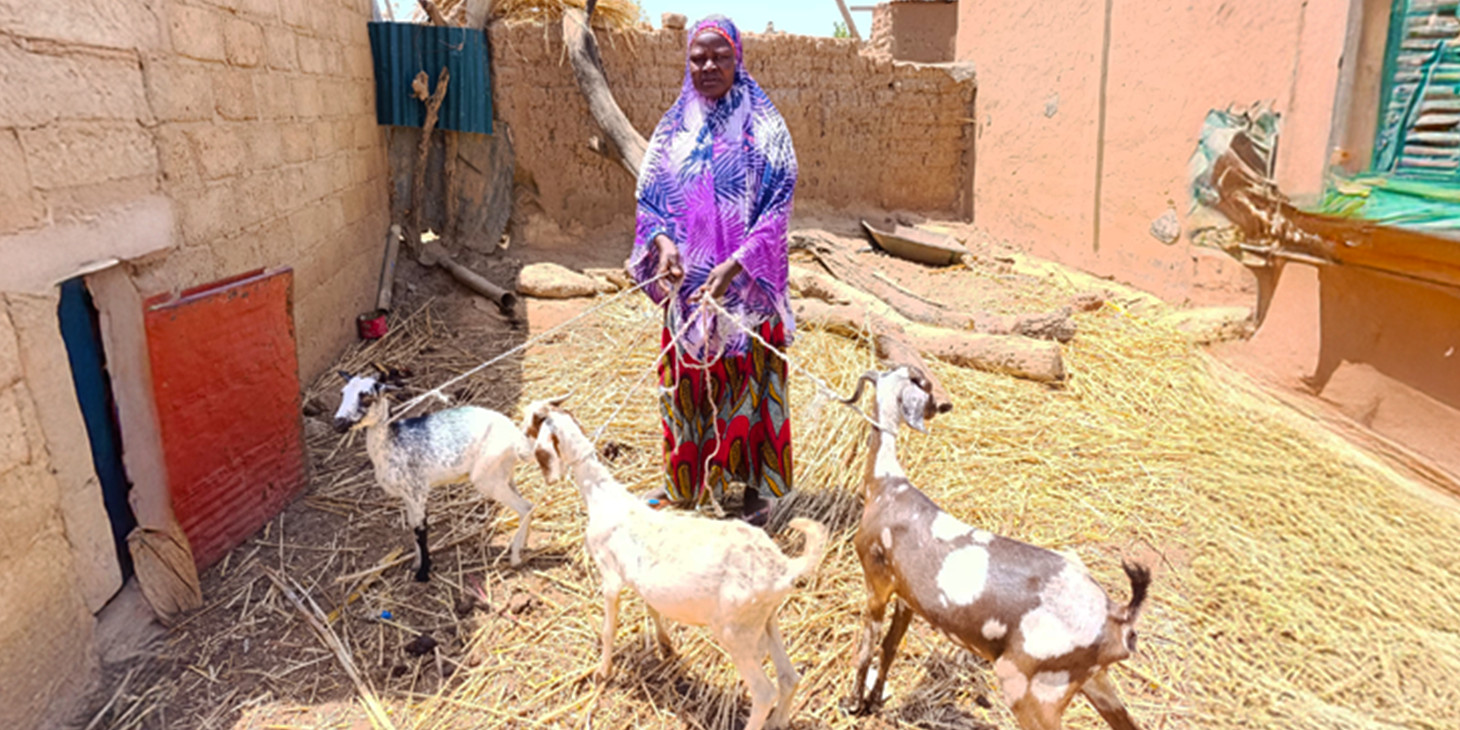
Empowering women livestock farmers by training them in sustainable livestock farming practices and developing a local milk supply chain.
Since 2015, the security crisis in Burkina Faso has led to an influx of people into the Central Plateau region near Ouagadougou, creating tensions over resources (water, land, pastures). In addition, the region is also suffering the effects of climate change, including prolonged droughts and sudden floods. Society is based on a patriarchal model in which women are mainly responsible for collecting water and feeding animals, and are therefore the first to be affected by climate change. In response to this situation, Elevages Sans Frontières is implementing a project to strengthen the local milk sector, thereby promoting the socio-economic integration of women. The project is based on a mentoring system designed to mutually strengthen the skills of experienced and novice women livestock farmers. Mentoring will take the form of training courses organized directly on the mentors' livestock farms, focusing on animal health, milking, livestock facilities, and entrepreneurship. In addition, to strengthen the capacities of novice livestock farmers, the project will invest in improving their livestock sites through the purchase of animals (such as cows and goats), infrastructure materials, and essential equipment, including feeders and waterers.
- 75 novice women farmers are mentored by 25 experienced women farmers.
- The milk cooperative is expanding the sale of its products to new villages in the region.
Entrepreneurs du monde
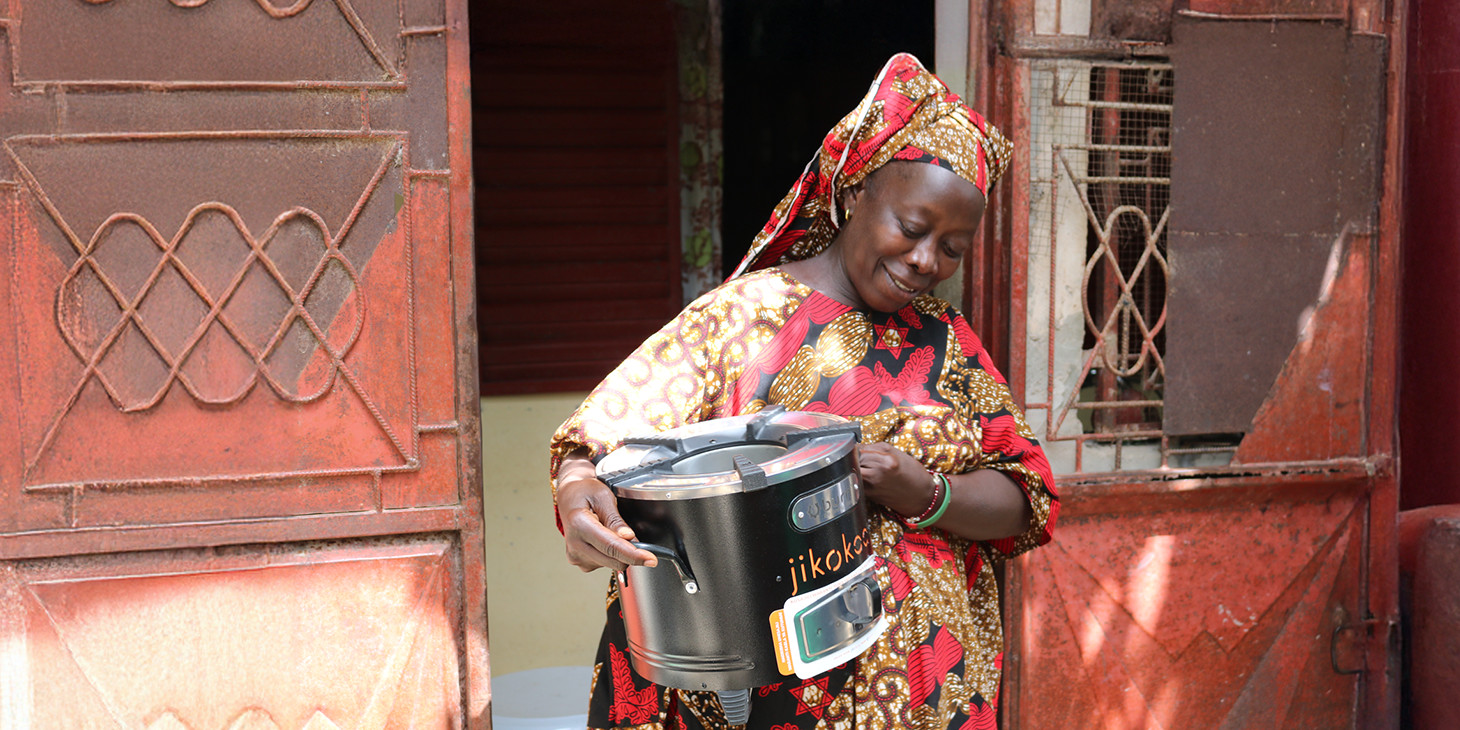
Strengthening the resilience of women in Casamance toward climate change through access to microcredit and the adoption of sustainable agricultural and cooking practices.
Senegal, and more specifically Casamance, is a region particularly vulnerable to the effects of climate change, which manifest themselves in droughts, floods, and the contamination of rice fields by saltwater from the river. This situation has a significant impact on rural areas, and particularly on women, who are culturally responsible for providing for their families through farming. In Casamance, most women are entrepreneurs, but they do not own the land they cultivate. As a result, they have no guarantees (such as title deeds) enabling them to access microcredit to develop their income-generating activities. Entrepreneurs du Monde, in partnership with Fansoto, is launching a project to facilitate access to microcredit, provided that the beneficiary women farmers commit to a training programme enabling them to adopt agricultural practices that are resilient to the effects of climate change. This project thus contributes to the ecological transition in the region and to women's access to appropriate equipment, such as improved stoves or salt-resistant seeds, enabling them to develop their businesses.
- 700 smallholder women farmers receive support on agroecological practices.
- 1,050 families acquire improved stoves to reduce their consumption of wood or coal.
ICD Afrique
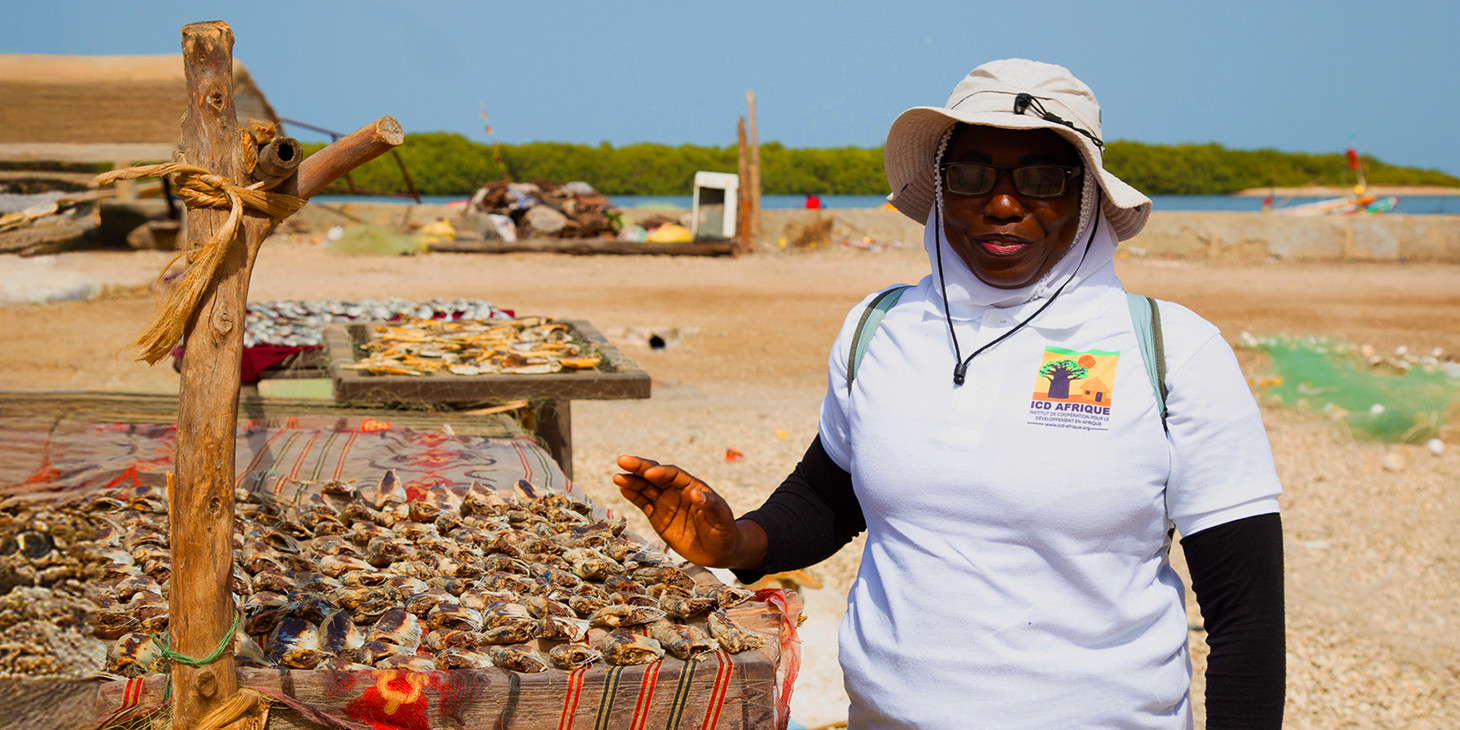
Strengthening women's economic independence by supporting them in adopting more sustainable shellfish and oyster farming practices.
In the Saloum Delta and Casamance regions of Senegal, women face growing environmental and economic pressures, including the depletion of marine resources such as shellfish and oysters and the degradation of key ecosystems like mangroves. This project aims to support their transition from traditional harvesting methods to sustainable aquaculture by structuring and strengthening the shellfish and oyster farming sectors. Women will receive training in improved shellfish and oyster cultivation techniques, equipment management, park maintenance, and environmentally responsible production practices. To further enhance income stability, the project will also promote complementary livelihoods such as market gardening, agroforestry, and fish farming, encouraging broader economic diversification. Additionally, the project will work to reinforce marketing channels for processed products, improving value addition and securing reliable market opportunities for women producers.
- 90 women are trained in oyster and shellfish farming techniques.
- 30 women are recognised for successfully integrating effective and sustainable methods.
Imece
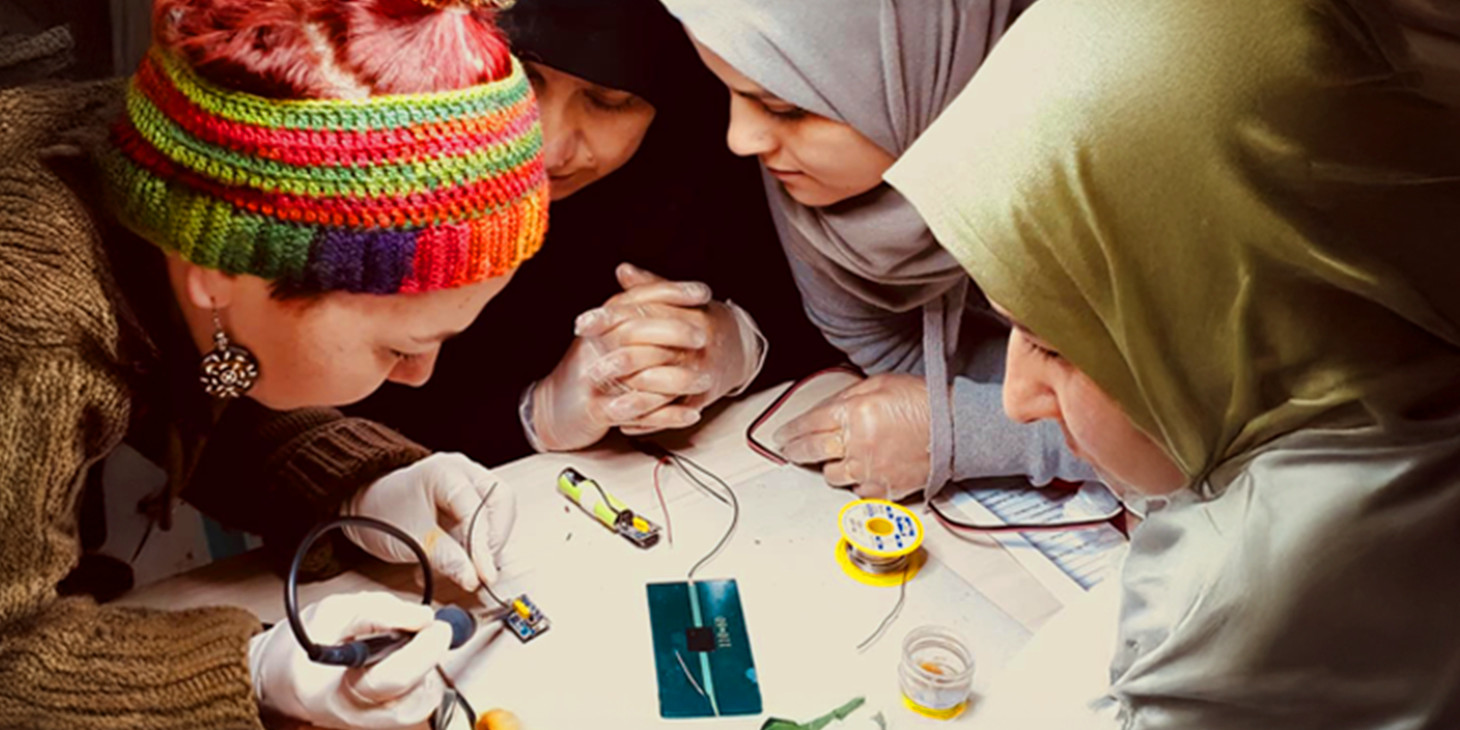
Supporting training and entrepreneurship for Syrian women in solar engineering
Turkey is hosting many Syrian refugees fleeing the conflict, and Izmir, the country's third-largest city, is a major gateway to Europe. The IMECE association's project offers vocational training and certification in solar engineering for women who wish to return to Syria so that they can set up a business upon their return. Refugee women receive structured training to introduce them to electricity, solar energy, and, more broadly, renewable energies. A specific component is also devoted to economic activity creation, with training in entrepreneurial project management, including the basics of financial management, business strategy, and occupational safety. This training will enable women to use the skills they have acquired to generate income and build sustainable economic autonomy when they return to their country.
- 200 Syrian women wishing to voluntarily return to Syria receive training in solar engineering.
Inti Energies Solidaires
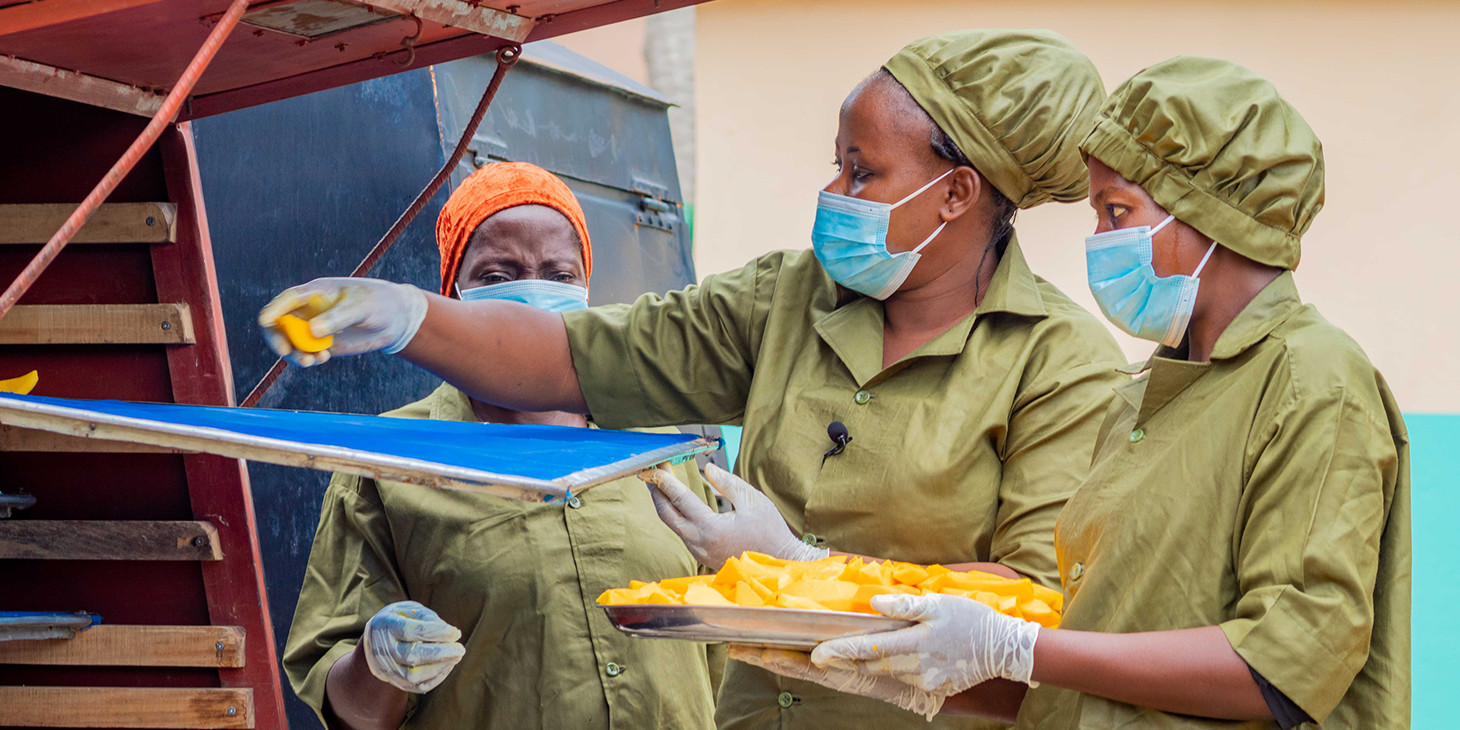
Improving women's resilience to climate change by offering them concrete and environmentally responsible solutions for carrying out their income-generating activities.
In northern Benin, Atacora is a rural region where women play a key role in agriculture and food processing (cassava, maize, mangoes, soybeans, etc.). Their techniques often remain rudimentary, leading to production losses and limited incomes. Furthermore, deforestation and the increasing scarcity of wood exacerbate their vulnerability: it is women who travel long distances to collect wood, to the detriment of their health and time. The ‘Low-tech and local production’ project aims to strengthen women's resilience to climate change while increasing their income. By supporting 10 groups in Atacora to modernise their activities with simple, effective and environmentally friendly tools, the project aims to reduce time spent gathering wood, improve incomes through the preservation and transformation of crops, and protect women's health by reducing exposure to wood smoke. The support includes: 1. Solar dryers to process and preserve agricultural products, reducing post-harvest losses and enabling women to sell more products; 2. Eco-friendly cookers that cut down wood consumption and harmful fumes, directly benefiting women's health; 3. Production of biofuels from organic waste provides an alternative to wood for cooking and creates a new, sustainable income source.
- Ten groups, comprising 300 women, will receive support in optimising their income-generating activities.
- 400 women and their families have been provided with high-efficiency cookers (which consume little wood).
La Voûte Nubienne
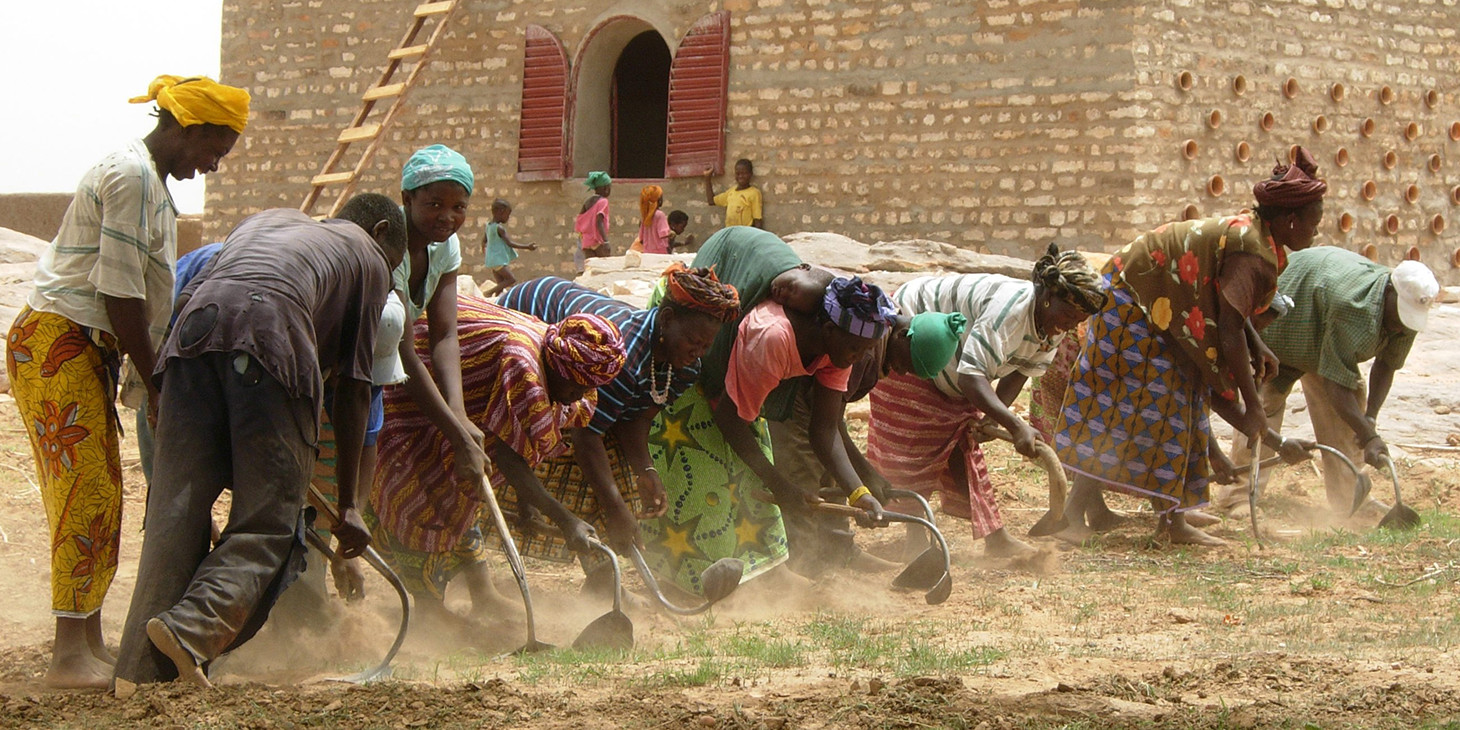
Enabling women in northern Ghana to become actively involved in low-carbon eco-construction.
The northern region of Ghana faces the combined effects of climate change (drought, heat waves, storms, deforestation), population growth, and lack of investment in education, training, and production capacity, particularly in agriculture. Under these conditions, gender stereotypes significantly hinder women's access to the labour market, often confining them to precarious, low-paid, or exploitative jobs. The Association la Voûte Nubienne, which specialises in the construction of sustainable buildings accessible to as many people as possible, in partnership with WEE North, which specialises in vocational training for women and their integration into sectors considered ‘masculine’, is implementing a project to train women in Nubian vault construction techniques. The Nubian vault construction technique uses local and natural materials (earth, water, wild stones), making it both environmentally friendly and economical. It also offers excellent performance in terms of durability and thermal insulation. In addition, the training will provide additional income for the women trained, as they will be paid for their participation in the training sites.
- 12 women will be trained in the Nubian Arch construction technique.
- Three Nubian vault buildings have been constructed for the benefit of women and/or women's groups.
Le Chemin des Fleurs
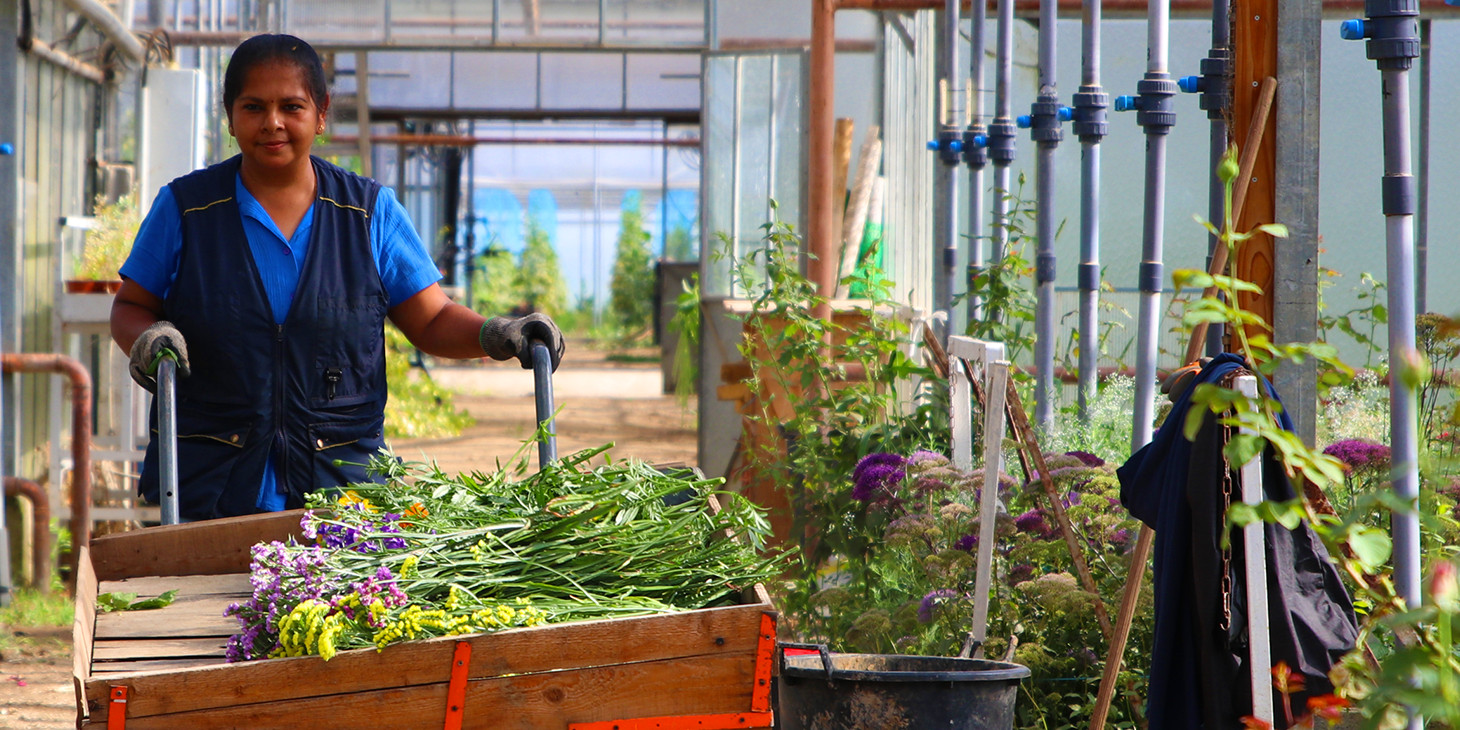
Provide women who are struggling to access employment with a professional training programme in market gardening and organic horticulture.
Located in Avrainville, in the Essonne department, the Le Chemin des Fleurs association has been developing a social and professional integration project based on organic market gardening and horticulture since 2014. The association supports a particularly vulnerable population. 70% are women facing social exclusion, career breaks, and multiple barriers to employment. The aim is to help people who are struggling to re-enter the workforce regain rhythm and enter the working environment. The association also works to raise awareness among the public and economic actors of the ecological and social challenges of agriculture. The project strives to continuously improve the site and the working conditions of employees. It will build a covered washing area to optimise vegetable washing, which is currently very laborious. It will also create a carport to protect delivery vehicles, bouquets, and kraft bags from the elements. At the same time, the project offers a diverse internal training programme, including French as a foreign language, office automation, prevention of sexism, eco-responsible actions, and stress management. This enables employees in integration programmes to gain skills and confidence. The association is part of a broader strategy to make the site a true ‘green showroom,’ exemplary in ecological, social, and educational terms.
- 20 women employees in integration programmes receiving support
- An enhanced training programme for women entering the job market.
- A functional vegetable washing facility
Naturevolution
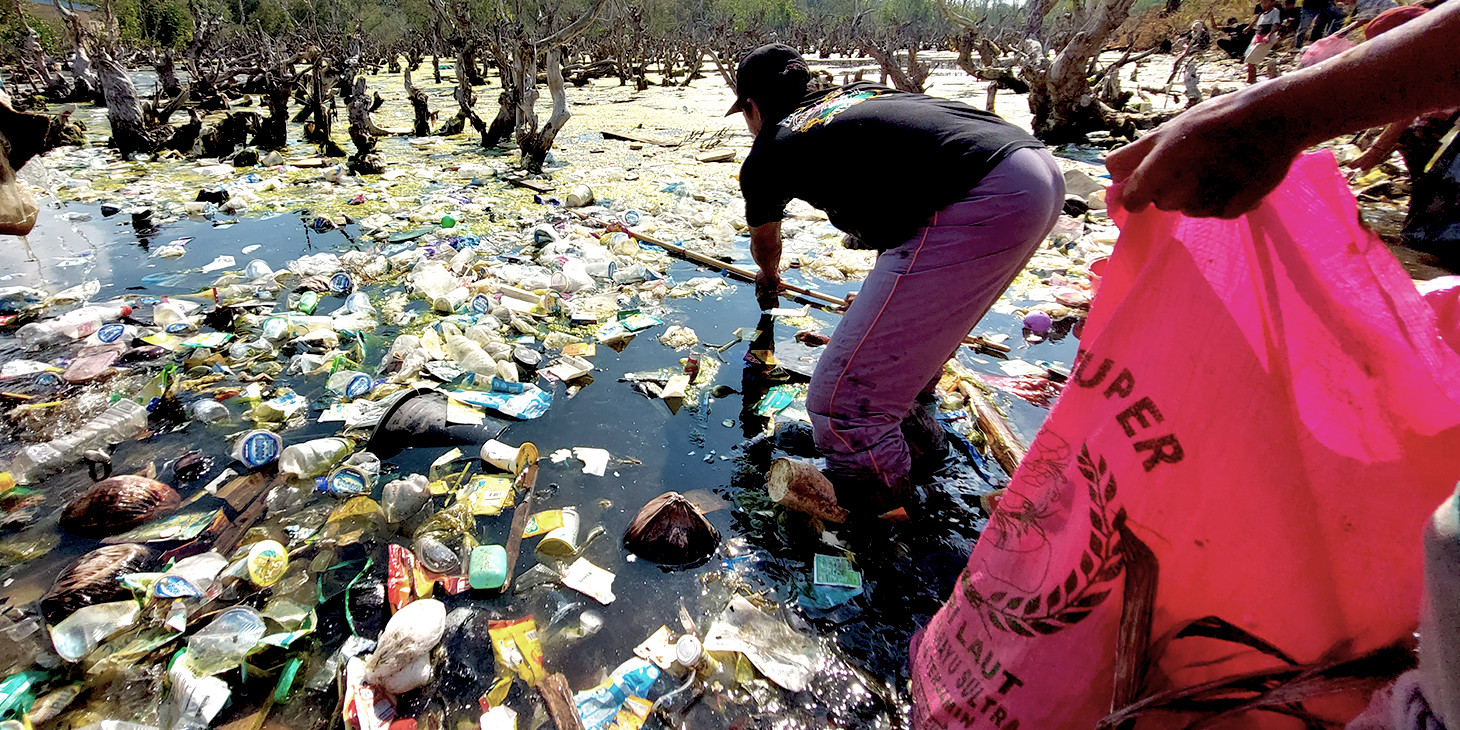
Establish a plastic waste collection system in the coastal villages of Kendari Bay with the help of 30 women who are trained and paid for this activity.
In the coastal city of Kendari (population 400,000), located in the province of Sulawesi Tenggara, Indonesia, 300 tonnes of waste are produced every day, and much of it ends up in waterways and then in the bay because it is not collected upstream. The waste management system set up by the local authorities is vastly inadequate. Plastic waste is a significant local scourge with a major impact on biodiversity and the quality of life for local populations. The Naturevolution association, in collaboration with its Indonesian partner, sought to address this issue by first organizing waste collection and awareness-raising campaigns. The association sought to take its efforts a step further by establishing its own plastic waste collection and sorting system, with the assistance of women from coastal villages, who are among the first to suffer from this plastic pollution. These women, who come from vulnerable communities, are in precarious situations and live on income from their husbands' fishing or, if they are widows, from small, informal jobs. Naturevolution aims to support these women in establishing a profitable and empowering activity of collecting plastic waste in their local environment. The waste is then sold directly to Naturevolution Indonesia, which processes it in its recycling workshop.
- 30 women supported each year in waste collection and sorting activities
- Reducing the amount of litter on streets, in rivers, and in the ocean
Terre de Milpa
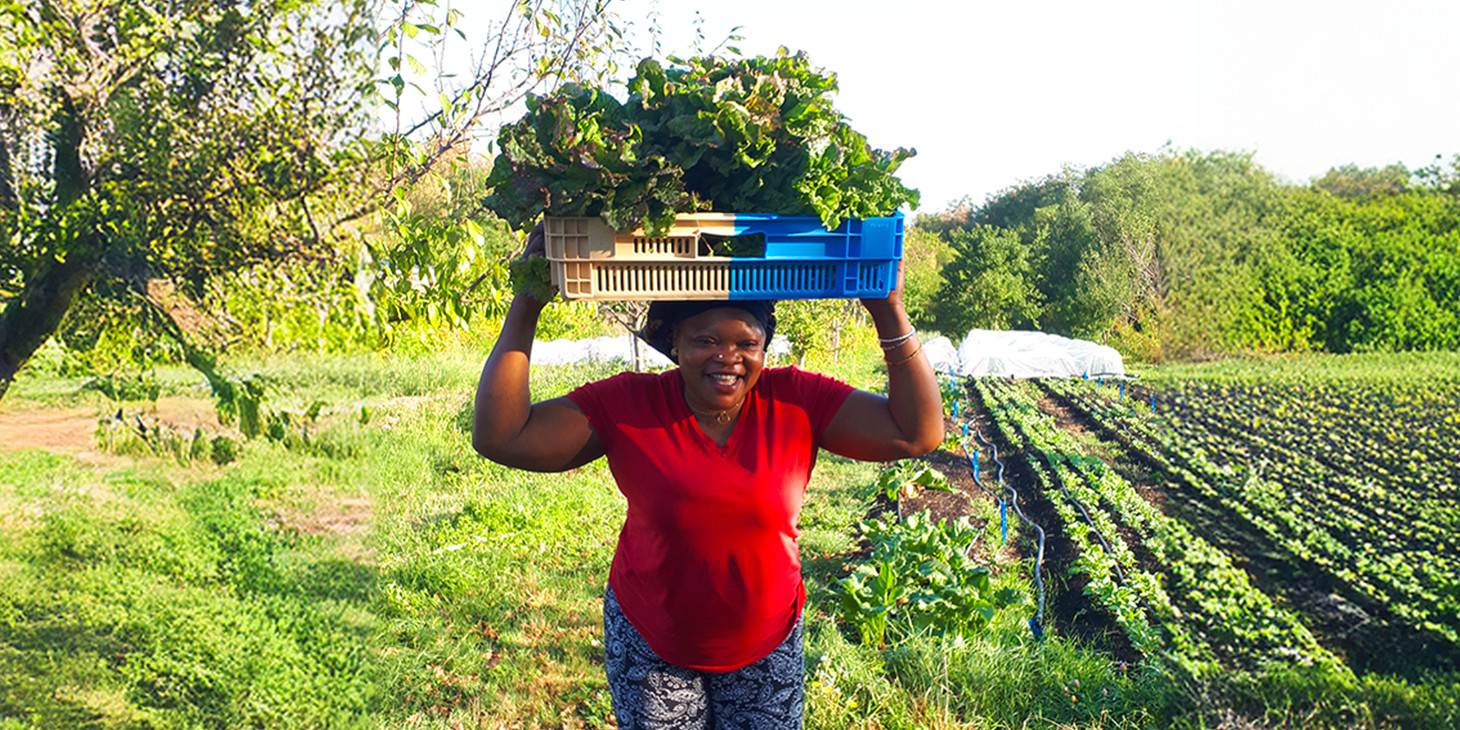
Bringing women together on a collective farm where they are housed and supported in launching their agricultural businesses.
In the Lyon metropolitan area, the Terre de Milpa association launched a farm in 2022 to support people in integration through agriculture. However, it has been found that some women still face significant barriers to entering the labour market. Furthermore, the Covid-19 crisis has exacerbated precariousness in France, particularly affecting women, who represent 70% of food bank beneficiaries. In response to this situation, and against a backdrop of massive farm closures each year in France, Terre de Milpa came up with the idea of creating a collective and social farm, run entirely by a group of women. The women will be housed on the farm and will be able to develop their agricultural activities (market gardening, baking, and/or cooking). They will be entrusted with the complete management of the farm, with support in defining their legal status, developing their business, and managing the day-to-day running of the site. This project, which is unique in France, promotes farming, employment, housing, and the fight against precariousness, while directly involving the women concerned through an innovative mode of governance.
- 5 women welcomed to the collective farm
- Women generate independent income from their business after two years of support.
Projects supported in 2025 by the "Women & Environment" action program.
Discover the actions carried out thanks to your support.

En Terre Indigène
Promoting the ancestral ecological knowledge of women from the Overseas Territories by organising community-based knowledge-sharing workshops.
- Six recognised women knowledge-holders living in Martinique, Guadeloupe, French Guiana, and Réunion.
- Hundreds of vulnerable women have taken part in the knowledge-sharing workshops.

Ishpingo
Supporting Indigenous women farmers diversify and increase their fruit production to improve their income.
- 50 Kichwa women supported.
- 9,000 trees planted.

Kraten du développement durable, de la culture et du loisir
Supporting women fishers by recognising their work, providing training, and helping them take part in decision-making within the sector.
- 15 women fishers have been supported.

Chaussettes Solidaires
Providing sewing and repair workshops for women in vulnerable situations to help them build skills and access employment opportunities.
- 30 women have been trained.
- At the end of the training, 60% of women either secure an internship or a permanent/fixed-term job, start their own business, or continue their studies.

Moi Jeu Tri
Providing training and support to help women build careers in the circular economy and recycling sector.
- 60 women have been trained by Moi Jeu Tri.
- 50% have either launched a business or found employment.

Poh Kao, des Tigres et des Hommes
Helping tribal women living in Sariska National Park to develop their dairy businesses.
- 15 women have been supported in growing their dairy businesses.
- One support group has been established.

Projeter Sans Frontières
Empowering women farmers by improving their production systems, restoring key local ecosystems, and encouraging the adoption of responsible business practices.
- 20 women farmers have strengthened their farming practices.

Naturevolution
Establishing a plastic waste collection system in the coastal villages of Kendari Bay, with the support of 30 women who are trained and paid for this work.
- 30 women have received support for waste collection and sorting activities.
- Reducing waste in streets, rivers, and the sea.

Women Engage for a Common Future France
Promoting women’s green entrepreneurship and highlighting women driving a fairer, more sustainable change in their communities, to provide them with greater access to development opportunities.
- 3 women awarded the Women & Biodiversity award.
- Around 50 women are taking part in the Rural Women’s Network.

Objectif France Inde
Building the skills and independence of women in the agricultural sector to secure their financial stability and food security.
- 1,500 women have been supported through mutual aid groups.
- 500 women farmers are benefiting from reservoirs and initiatives to improve soil quality.

Rejoué
Supporting women who are struggling to access employment to integrate socially and professionally through training in toy reuse and refurbishment.
- 45 women have been employed through work integration programmes.
- 53% of them find stable employment or take up a vocational training course after completing the programme.
- 41 tonnes of toys have been repurposed.

Univers-Sel
Training salt producers in solar salt production, a technique that is more environmentally sustainable.
- 1,500 women salt producers have benefited from the project’s activities.
- 40 women leaders and volunteers serve as points of contact and are responsible for promoting the solar pond method.